Wellness real estate gains ground in Kenya as developers shift toward community-centred living
The sector covers properties deliberately designed, developed and operated to promote healthier lifestyles, social interaction and overall wellbeing among occupants.

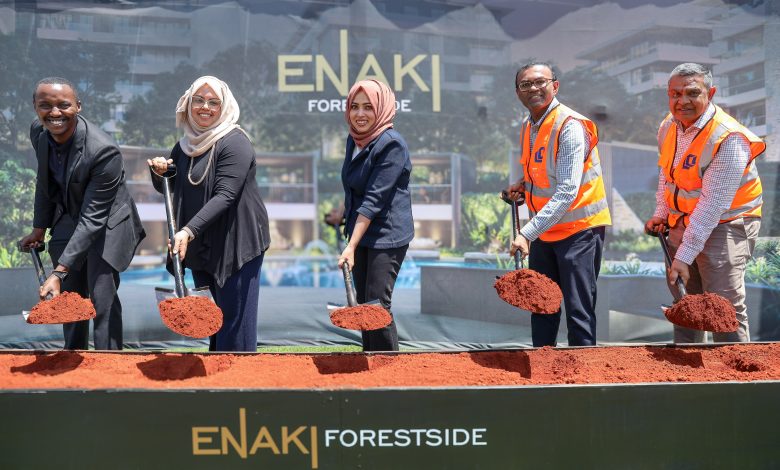
Kenya’s property market is beginning to embrace wellness real estate as developers respond to growing demand for residential and commercial spaces designed to support physical, mental and social wellbeing.
The global wellness real estate market is estimated at Sh78.9 trillion ($548 billion) and is projected to exceed Sh129 trillion ($1 trillion) by 2029, according to the latest Global Wellness Institute (GWI) report on wellness communities and real estate.
“The design brief of the future has to include human connection as an outcome. What draws people out of their homes and keeps them coming back cannot be left to chance. It must be designed, programmed and sustained,” Sakina Hassanali, Co-Ceo and Creative Director, HassConsult noted.
The sector covers properties deliberately designed, developed and operated to promote healthier lifestyles, social interaction and overall wellbeing among occupants.
The report highlights social infrastructure as an important component of wellness-focused development, noting that people with access to such infrastructure are three times more likely to report having close friends. The proportion rises to 32 per cent compared with nine per cent among those without access.
The findings come as concerns over social isolation grow, with Kenya emerging as a significant market for developments seeking to integrate social interaction into residential environments.
According to the report, Kenyans spend more time on social media than people in any other country, with 20 per cent spending more than six hours a day on social media. It also found that 26 per cent of Kenyan employees experienced loneliness frequently.
Developers are increasingly responding by incorporating fitness, recreation, social, work and entertainment facilities into residential projects.
HassConsult’s Enaki Town in Nairobi is one such development, incorporating wellness and social facilities alongside residential units.
The 440-unit development currently has an occupancy rate of 92 per cent, with some categories of units fully occupied and operating waiting lists.
The development includes a dedicated movement studio for fitness and wellness programmes and a marketplace operated by Artcaffé, which hosts social and cultural activities.
HassConsult has since commenced the second phase of the project, Enaki Forestside, centred around a 23,000-square-foot private forest and additional fitness, work, social and wellness facilities.
The new phase has sold half of its homes within four months of launch, indicating growing demand for developments that combine housing with amenities and community-oriented spaces.
The shift comes as developers increasingly assess residential value beyond conventional considerations such as location, size and specifications, with social infrastructure and wellness becoming additional factors influencing property demand and investment decisions.