Uganda Law Society bans ‘My Lord’ in push to decolonise courtroom culture
In an Executive Order titled "Abolition of Colonial Court Culture" issued on Tuesday, ULS President and Head of the Bar Isaac Ssemakadde ordered advocates to adopt modern, non-honorific forms of address for judicial officers while also prohibiting the long-standing practice of bowing before judges.

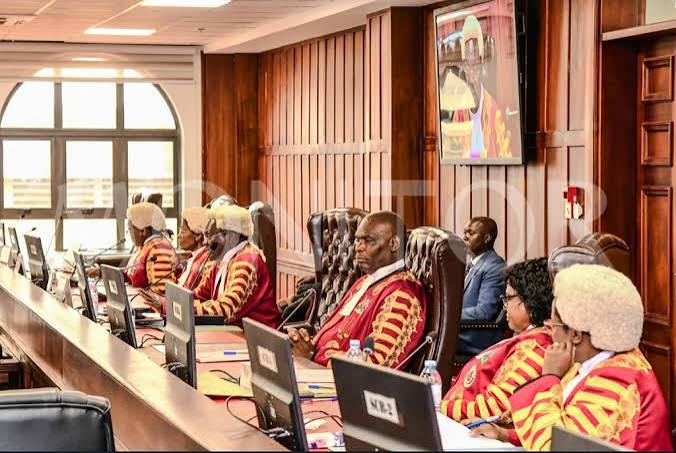
The Uganda Law Society (ULS) has directed its members to immediately abandon colonial-era courtroom traditions, including addressing judges and magistrates as “My Lord,” “Your Lordship,” “My Lady,” and “Your Worship,” in a bold move aimed at decolonising the country’s legal profession.
In an Executive Order titled “Abolition of Colonial Court Culture” issued on Tuesday, ULS President and Head of the Bar Isaac Ssemakadde ordered advocates to adopt modern, non-honorific forms of address for judicial officers while also prohibiting the long-standing practice of bowing before judges.
The directive, which takes immediate effect for all members of the Uganda Law Society, requires lawyers to address judicial officers as “Mr. Justice,” “Madam Justice,” “Mr. Judge,” “Madam Judge,” “Mr. Magistrate,” or simply by their surnames where appropriate.
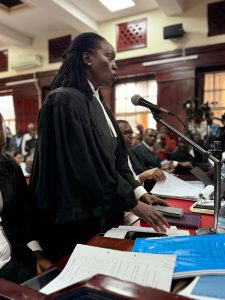
“The practice of bowing or any other form of physical subservience before judicial officers is henceforth prohibited for all members of the Uganda Law Society,” the Executive Order states.
Instead, advocates and litigants have been instructed to “stand upright and speak as free citizens” when appearing before courts and tribunals.
According to the Law Society, the reforms are intended to dismantle colonial practices that place judicial officers above the citizens they serve.
The order argues that traditional courtroom rituals perpetuate unequal power relations by “forcing Ugandans into postures of humiliation as the powerful enjoy comfort and deference.”
Beyond changing courtroom etiquette, the ULS has launched a 90-day nationwide consultation on court culture and the Judiciary’s Client Charter.
The consultations will bring together representatives of the Bench, the Bar and citizens’ associations to examine whether colonial legal symbols and traditions—including wigs, gowns and foreign legal terminology—remain relevant in Uganda’s justice system. The process is also expected to propose courtroom procedures that better reflect Uganda’s history, culture and constitutional values.
The Law Society further announced that the Judiciary Client Charter will be reviewed and rewritten in plain language to make it more accessible to the public and strengthen citizens’ rights to timely, respectful and efficient judicial services.
Although the Executive Order takes immediate effect, its application is limited to members of the Uganda Law Society and does not automatically alter courtroom procedures or judicial practice across Uganda’s courts.
The order will be published on the society’s website and circulated to all members.
Nevertheless, the directive marks one of the most significant efforts by Uganda’s legal profession to dismantle colonial-era courtroom customs that have persisted across many Commonwealth jurisdictions, including Kenya.
The reforms are expected to spark fresh debate across East Africa over whether inherited colonial legal traditions remain compatible with modern constitutional principles, equality before the law and a justice system centred on service to citizens.