Mandera border killing exposes security lapses

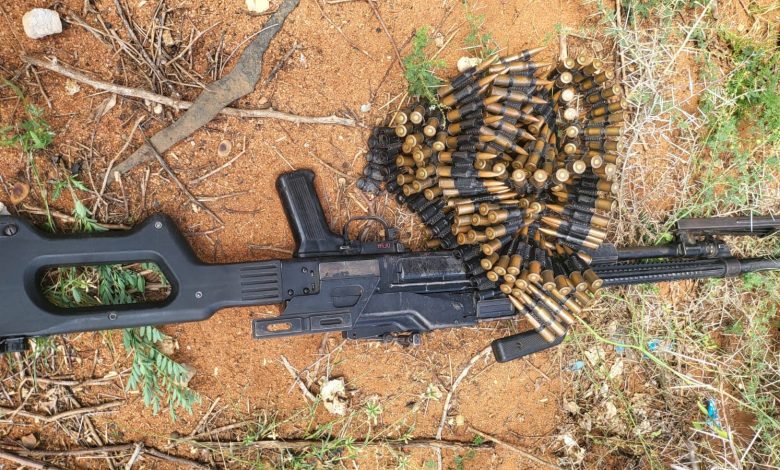
The fatal shooting of a Kenyan man at the Kenya–Somalia border in Mandera Town has renewed concerns over security lapses in northern Kenya, where porous borders, militant activity and strained cross-border relations continue to fuel instability.
The body of Abdifatah Mohamed Maalim, 31, was discovered on January 15, 2026, lying in a trench near the main Mandera border point.
Police said he had sustained a gunshot wound to the back, with blood oozing from his mouth and ears, pointing to severe internal injuries.
An autopsy later confirmed that Maalim died from excessive blood loss caused by the shooting. His body was released to relatives for burial as investigations continue.
Preliminary police findings suggest that the shooting may have involved members of the Somalia National Army deployed along the border, although authorities cautioned that the circumstances and motive remain unclear.
The incident triggered tension in Mandera, a region already on edge due to frequent security incidents linked to the Somalia-based Al Shabaab terror group and ongoing hostilities involving various armed actors.
Mandera’s strategic location at the tri-border area makes it particularly vulnerable. The Kenya–Somalia border remains largely porous, enabling militants, illegal arms and criminal gangs to move with relative ease.
Security agencies operating in the area face a complex threat matrix that includes Al Shabaab attacks, clan-based violence spilling over from Somalia, and friction between Kenyan and Somali security forces.
Just a day before Maalim’s killing, two members of the National Police Reserve were killed by an improvised explosive device (IED) in the neighbouring Bulla Hawa area.
Two others were injured, and police later recovered and safely detonated another explosive. Officials said rogue elements were suspected, underscoring the murky overlap between militancy, criminal gangs and compromised security actors.
The broader insecurity is rooted in Somalia’s prolonged instability following the 1991 collapse of the Siad Barre regime, which plunged the country into decades of conflict.
Kenya’s military intervention in Somalia under Operation Linda Nchi in 2011 was aimed at neutralising Al Shabaab threats after attacks on Kenyan soil, particularly those targeting tourism. However, the spillover effects of the conflict continue to be felt in northern Kenya.
Elsewhere in the country, police reported unrelated but violent incidents that point to wider security challenges.
In Funyula, Busia County, the body of a 73-year-old man was found in an abandoned quarry with head injuries, while in Kilifi County, a suspect was arrested over a fatal altercation at a drinking joint.