State lapses leave Kenyans exposed to toxic, banned pesticides
The audit report exposes a broken control system as illegal chemicals remain on the market, contaminated food reaches consumers and regulators fail to close loopholes.

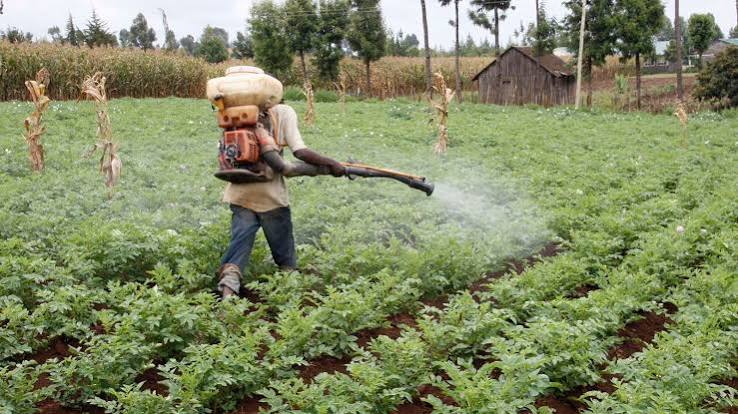
Millions of Kenyans are being exposed to cancer-causing, unauthorised and banned pesticides through farming practices and contaminated food, with a government audit laying bare regulatory failures that have allowed dangerous chemicals to remain in circulation.
Effectively, Kenyans could be eating food laced with dangerous pesticide residues because the government has failed to enforce its own rules governing chemicals used on farms, a damning audit has revealed.
A June 2026 performance audit by Auditor-General Nancy Gathungu paints a grim picture of a pesticide control system riddled with gaps, from inadequate inspections and weak follow-up of rogue agro-dealers to poor monitoring of pesticide residues and limited public awareness.
The audit report exposes a broken control system as illegal chemicals remain on the market, contaminated food reaches consumers and regulators fail to close loopholes.
The Pest Control Products Board (PCPB) has been cited as the weak link, a state agency mandated to regulate the importation, manufacture, distribution, sale and use of pesticides.
The audit, submitted to Parliament after being conducted between September 2024 and March 2026, examined pesticide regulation between 2021/22 and March 2026. It covered 12 counties, including Nairobi, Kisumu, Busia, Uasin Gishu, Kericho, Embu, Kirinyaga, Mombasa, Kwale, Kilifi, Nyandarua and Nakuru.
The Auditor-General says the findings expose a potentially dangerous disconnect between the country’s agricultural ambitions and the systems intended to protect consumers, farmers and the environment.
“While the broader target is to improve agricultural productivity to guarantee food security, create jobs and increase Kenya’s exports, the potential misuse of pesticides poses significant risks that could undermine achievement of the government’s development agenda,” Ms Gathungu says.
The audit says the PCPB does not have an updated database showing the actual number of premises handling pesticides and their compliance status, despite regulations requiring inspection of such facilities before annual certificates are issued or renewed.
More worrying, illegal products continue to find their way into the market even after enforcement operations.
“Despite impounding the products and securing convictions, the board did not revoke the premises’ certificates, thereby sustaining the risk of repeat offences and continued sale of illegal products,” the audit says.
The failure to routinely follow up inspected facilities has compounded the problem. The audit warns that delayed corrective action could leave farmers buying and using unauthorised pesticides from agro-dealers, creating serious food and environmental safety risks.
The regulatory weaknesses come against a backdrop of mounting evidence of pesticide contamination in Kenya’s food chain.
A 2026 joint market study by the Kenya Organic Agriculture Network and Route to Food Initiative found pesticide residues in more than 70 per cent of vegetable samples collected from major Kenyan markets, with tomatoes recording the highest contamination levels.
The consequences extend beyond humans. Between June 24 and July 24, 2026, 15 elephants reportedly died from cyanide poisoning after eating tomatoes treated with lethal pesticides near Amboseli National Park.
The audit identifies inadequate periodic review of registered pesticides as another major weakness. Without an effective post-registration surveillance framework, authorities risk failing to detect products that have become ineffective, threaten beneficial organisms or contaminate food, soil and water.
Farmers are also operating in an environment of inadequate information.
“There is limited awareness creation to farmers and agro-dealers on proper use and disposal of pesticides and pesticide waste,” the audit says.
The consequence, it warns, is a high risk of improper application and unsafe disposal of pesticide waste, exposing people to toxic substances while contaminating soil and water.
The audit cites examples of unsafe farming practices. A 2024 AAK-Grow/CropLife Kenya report found farmers in Lamu intercropping cotton with food crops, despite cotton requiring heavy pesticide use that can contaminate food crops.
“Farmers used herbicides to dry food crops and disposed of empty pesticide containers incorrectly,” the audit says, while also noting rising pesticide resistance and high residue levels in produce.
The report identifies at least 10 major regulatory weaknesses, including limited routine follow-up inspections, continued sale of non-compliant products, inadequate sensitisation, lack of periodic review of pesticides, insufficient residue monitoring and weak collaboration between the PCPB and county governments.
It also flags the absence of PCPB officers at border points, limited cooperation with the agrochemical industry on disposal of pesticide containers and inadequate data sharing between the board and the Kenya Plant Health Inspectorate Service (Kephis).
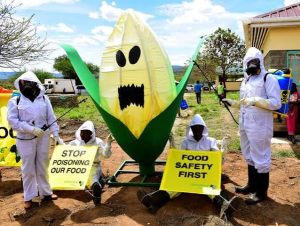
The failures have economic consequences too. Kenya’s fresh vegetable exports fell by 54.7 per cent, from 164,100 tonnes in 2023 to 74,300 tonnes in 2024, with strict European Union pesticide regulations cited among factors contributing to the decline.
“This has resulted in significant losses to farmers, hence the need for effective regulation of pesticides in Kenya,” Gathungu says.
The audit calls for a structured follow-up inspection framework to be developed and incorporated into PCPB’s annual work plans.
The Ministry of Agriculture, Ministry of Health, Nema, Kephis, KALRO, Anti-Counterfeit Authority, county governments, agrochemical industry and consumers have roles in ensuring pesticides are safely regulated.
The audit’s findings suggest that weak state oversight, poor enforcement and inadequate public awareness have created cracks through which dangerous chemicals can enter farms, markets, food and the environment—turning pesticide regulation from a bureaucratic issue into a growing public health and food safety crisis.