‘Rip-off’ deal: MPs slam Portland Cement sale

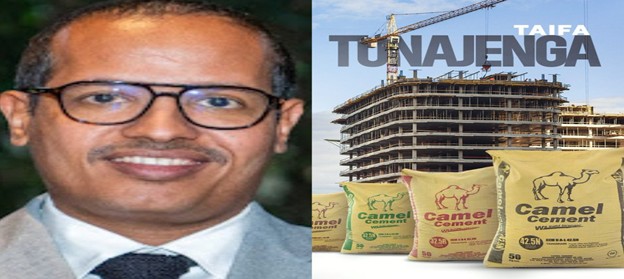
A proposed sale of a 29.2 per cent stake in the state-linked East African Portland Cement Company (EAPCC) to Kalahari Cement Limited has sparked alarm in Parliament, with lawmakers accusing the deal of undervaluing a national strategic asset and creating conditions for a potential monopoly.
If the deal goes through, Kalahari would consolidate 68.7 per cent of the company, having taken over the National Social Security Fund (27 per cent) and thus eclipsing other major shareholders like the National Treasury (25.3 per cent).
If the controversial sale of 27 per cent NSSF’s shares at EAPCC is not reversed after it was sold for merely Sh1.6billion, legislators argue, Kenyan workers would have gotten a raw deal from their pension money.
MPs at the Trade Committee, led by Ikolomani MP Bernard Shinali, have raised serious concerns over the Sh27-per-share price set for the sale, less than half the market value of Sh58.7.
The transaction, involving Swiss multinational Holcim Group divesting its stake in EAPC, is set to fetch Kalahari about Sh718.7 million.
Parliamentarians argue this price fails to reflect the company’s intrinsic value, noting that EAPCC sits on roughly 5,000 acres of prime land in Athi River and Kitengela, potentially worth Sh25billion.
The committee flagged multiple regulatory and procedural gaps, including controversial exemptions and lack of due diligence. Kalahari Cement, whose ultimate beneficial owner is Edhah Munif, already controls Bamburi Cement, which holds 12.5 per cent of EAPCC.
MPs warn this concentration of ownership could stifle competition, threaten jobs, and enable unchecked control over a vital industry.
Further controversy surrounds the role of regulatory bodies. The Competition Authority of Kenya (CAK) declared the transaction “not a merger,” thereby sidestepping competition review. Similarly, the Capital Markets Authority (CMA) exempted Kalahari from making a mandatory takeover offer to all EAPCC shareholders—a safeguard designed to protect minority interests. MPs argue CMA failed to verify the buyer’s technical capacity, strategic plan, or track record, effectively creating a backdoor takeover without scrutiny.
Parliamentarians are also concerned about the lack of transparency and public interest assessment. The Attorney General’s office was not consulted, and neither EAPC management nor the Trade Ministry has received any communication from Kalahari regarding post-acquisition plans. No employment guarantees, investment commitments, or safeguards against asset stripping have been provided.
“This is a rip-off,” Wajir East MP Aden Mohammed said. “Selling at Sh27 per share when land alone is worth billions cheats the Kenyan people.” Aldai MP Marianne Kitany warned that Kalahari’s majority stake could enable market dominance and abuse in the cement sector.
The committee’s report highlights “hidden clauses, silent assumptions, and worrying omissions” in the deal, which could hand absolute control of a national strategic asset to a single private entity at a throwaway price. MPs also questioned why foreign investors were given preferential access when Kenyan companies, such as Kenya Portland Cement, were interested.
Trade Committee members endorsed Holcim’s divestment in principle, aligning it with privatization and local ownership goals, but emphasized the need for transparency, proper valuation, and protection of public interest. Machakos MP Joyce Kamene emphasized a “Kenya-first” approach, highlighting the risks of allowing foreign investors to acquire strategic stakes in a domestic industry.
With EAPCC poised to become a Kalahari-dominated boardroom, the controversy is expected to intensify, raising urgent questions about regulatory oversight, corporate governance, and the protection of national assets.
As lawmakers demand answers, the fate of the cement company, its land, its workforce, and its strategic value, hangs in the balance, underlining the high stakes in what critics describe as a potentially undervalued and opaque deal.