Power, principle and the bar: Inside the high-stakes race for LSK presidency

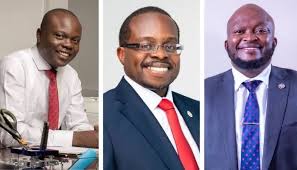
The race to succeed Law Society of Kenya (LSK) President Faith Odhiambo has entered its final stretch ahead of the February 19, 2026 vote, shaping up as a tight three-horse contest between Peter Wanyama, Charles Kanjama and Mwaura Kabata.
Unlike the bruising 2024 election that cast the LSK as a high-octane watchdog against government excesses, this year’s battle is markedly inward-looking. Candidates are pitching themselves as fixers of bread-and-butter issues affecting advocates, from delayed payments and high practice costs to welfare, professional protection and career sustainability.
With LSK membership now topping 24,000 with the majority being lawyers with less than a decade at the Bar, the campaign battlefield has shifted online. TikTok clips, X Spaces and Instagram reels have replaced traditional bar meetings, as aspirants scramble to connect with younger, digitally fluent voters who increasingly determine electoral outcomes.
The contest, however, is unfolding against a backdrop of institutional strain.
LSK recently threatened to forcefully remove outgoing president Faith Odhiambo after she accepted an appointive role at the victims’ compensation panel, a body previously declared illegal by the courts. The move sparked internal backlash, raising questions about governance, integrity and the blurring of activism with state engagement.
Odhiambo resigned from her position as vice chair of the government-appointed Panel of Experts on Compensation of Victims of Demonstrations and Public Protests in October last year following weeks of mounting pressure
In a public statement, Odhiambo said she had tendered her “formal and immediate resignation” to the Head of Public Service, citing the need to safeguard LSK’s independence and unity amid ongoing legal and constitutional challenges.
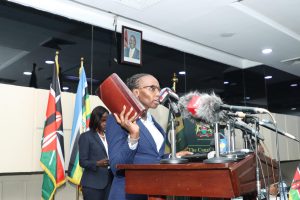
The panel, established through an August 25 Kenya Gazette notice, was tasked with recommending compensation for victims of police brutality and violence during youth-led anti-government protests this year and last year, in which over 120 people were killed and hundreds more injured.
Critics argue Odhiambo’s initial decision to accept being part of the controversial panel risked diluting the LSK’s hard-won reputation as an independent public crusader, particularly at a time when security agencies are accused of cracking down on government critics in what many view as calculated political repression.
Beyond leadership wrangles, deeper concerns persist. The Society continues to grapple with infiltration by quacks posing as advocates, while some lawyers face accusations of facilitating transnational crimes, including money laundering and financial fraud, allegations that strike at the credibility of the profession itself.
As voting day approaches, the February poll is shaping up as more than a leadership change. For many advocates, it is a referendum on whether the LSK reclaims its moral authority, cleans up its ranks and refocuses on member welfare, or remains trapped in internal contradictions that threaten its very soul.