Park fees and the 8.5 per cent gateway levy: A counterproductive blow to Kenya’s tourism prospects

Kenya’s tourism sector is at a delicate crossroads.
After years of disruption, from post-Covid-19 pandemic, global economic shocks to domestic inflation, rebuilding a competitive and accessible tourism ecosystem should remain a national priority.
Yet the recent decision by the Kenya Wildlife Service (KWS) to raise park entry fees while simultaneously introducing an 8.5 per cent gateway levy on all park-related digital payments risks pushing the sector in the opposite direction.
Instead of invigorating domestic tourism and strengthening Kenya’s position as a premier global destination, this move threatens to undermine affordability, reduce visitor numbers, and ultimately weaken conservation funding in the long run.
At the centre of the debate is a simple question. Is increasing the cost of accessing natural heritage the right strategy when both domestic and international travellers are already price-sensitive?
For many, the answer is no. The rationale cited by KWS aimed at boosting revenue for wildlife conservation may be well-intentioned, but the timing, methodology, and magnitude of the fee increments raise concerns about strategic coherence and long-term sustainability.
Firstly, the financial burden on local tourists cannot be ignored. Domestic tourism has always acted as the shock absorber of Kenya’s travel industry, especially during global crises when international arrivals plummet.
Families, youth groups, schools, and local explorers have kept the parks alive during difficult periods. By raising park entry fees and imposing an additional digital levy, KWS risks pricing out precisely the demographic that has sustained conservation efforts when foreign visitors stayed away.
For a family intending to visit a national park for a weekend, the cumulative costs on fuel, accommodation, park fees, and now the gateway levy become not only punitive but also prohibitive. This contradicts national policy efforts to promote local tourism and encourage Kenyans to experience the very wildlife treasures they pay taxes to protect.
Secondly, the impact on international competitiveness is equally worrying. Kenya’s tourism market does not exist in a vacuum. Safari destinations such as Tanzania, South Africa, Namibia, and Botswana are aggressively competing for the same global clientele. In many cases, these countries offer comparable or lower park fees and have avoided additional levies that punish travellers at the point of entry. For tour operators, who already face high operational expenses, the gateway levy translates to increased package costs eroding Kenya’s comparative advantage. When a visitor makes price-based decisions, even marginal increases can tilt the balance in favour of alternative destinations. Kenya cannot afford to hand its competitors such an easy opportunity.
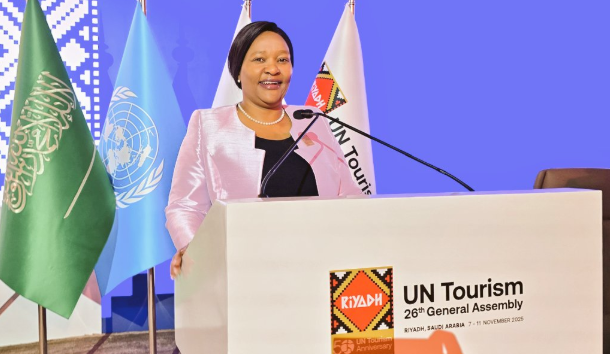
Recently, Kenya secured membership in the United Nations Tourism Executive Council for the period 2025 to 2029, marking a major milestone in the country’s growing influence in global tourism governance during the 26th UN Tourism General Assembly held in Riyadh, Saudi Arabia.
Moreover, the levy introduces friction in a payment ecosystem that should be seamless. The tourism experience begins long before travellers set foot in a park; it starts online, with bookings and payments.
Any surcharge that complicates or increases the cost of these transactions weakens the country’s digital tourism infrastructure. In an age where tourists value convenience, transparency, and predictable pricing, the perception of hidden charges can hurt brand trust.
The counterargument that higher fees will generate more money for conservation is not without merit.
Kenya’s conservation landscape is costly to maintain, and wildlife protection demands relentless investment.
However, conservation financing must be approached strategically. A narrow focus on raising entry fees risks diminishing the very demand needed to generate the revenue KWS seeks. A more sustainable approach lies in diversifying funding streams by leveraging on private partnerships, promoting conservation philanthropy, investing in concession models, and improving revenue management efficiency. If leakages, inefficiencies, and bureaucratic wastage remain unaddressed, no amount of fee increment will fill the gaps.
Ultimately, policy decisions in the tourism sector must be grounded in a holistic understanding of market dynamics. Conservation cannot succeed without tourism, and tourism cannot expand without affordability and value for money. By imposing cost-increasing measures without broader stakeholder engagement and economic sensitivity, KWS risks depressing visitor numbers, harming livelihoods of communities that depend on tourism, and weakening Kenya’s global competitiveness.
Kenya’s wildlife is a priceless national asset. Protecting it requires vision not just additional levies. The path forward must balance conservation with accessibility, ensuring that our parks remain both financially sustainable and welcoming to all through a harmonised policy guideline by the Ministry of Tourism and Wildlife.