Outrage as MPs grill Sports Kenya over billions lost in ghost, stalled stadium projects
The most startling revelation concerned three proposed national stadiums in Nairobi, Kisumu, and Eldoret, estimated to cost Sh42billion

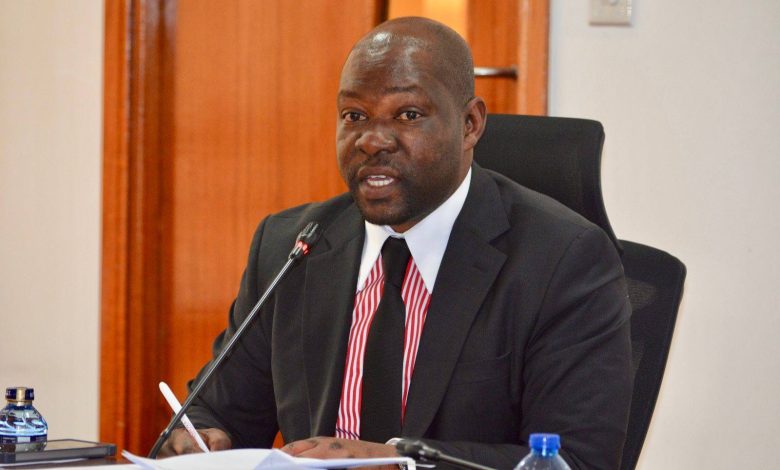
The National Assembly’s Public Investments Committee on Social Services, Administration and Agriculture (PIC-SSAA) yesterday grilled Sports Kenya management over billions of shillings spent on stalled and abandoned stadium projects.
The session, chaired by Vice-Chairperson Caleb Amisi, who is also a Saboti MP, focused on audit queries dating back to the 2014/2015 and 2015/2016 financial years.
Appearing before the Committee, Sports Kenya’s Acting Director General, Gabriel Komora, and his senior management faced tough questioning over billions of shillings spent on projects that remain incomplete or abandoned, including failed stadium ventures.
The most startling revelation concerned three proposed national stadiums in Nairobi, Kisumu, and Eldoret, estimated to cost Sh42billion.
Despite millions spent on consultancy and feasibility studies, none of the stadiums were ever constructed.
“How do you justify spending millions on consultancy when you don’t even have land titles for these projects?” pressed Amisi. Records show Sports Kenya paid Sh99.6million for a feasibility study and Sh57million for architectural and project management services, despite failing to secure formal land ownership for the projects.
The committee members warned that if the projects continue to stall, funds allocated under Vision 2030 and the Sports Act, 2013 risk becoming “a wasted investment and poor value for taxpayers.”
Cost overruns on existing projects further fueled MPs’ outrage. The Kipchoge Keino Stadium in Eldoret, initially contracted at Sh109.7million, ballooned to Sh355.1million, an increase of over 200 percent.
“Why were essential elements that contributed to this massive cost increase not foreseen in the original contract?” demanded Martin Owino.
Sports Kenya management failed to provide convincing explanations and was asked to furnish documents for a fresh Sh3.5billion rehabilitation contract for the stadium.
The lawmakers also raised eyebrows over questionable expenditures, including a Sh24.4million payment linked to a Moscow football club.
Komora clarified that the matter fell under the Ministry of Sports, not Sports Kenya, but MPs insisted on more accountability.
The audit further revealed that Sports Kenya lacks proper land ownership documents for key national assets, including Kasarani National Stadium and the Moi International Sports Centre. “We are pursuing titles through the National Land Commission, though we face challenges from encroachment and historical land issues,” Komora told the Committee.
Adding to the concerns, the Auditor-General flagged irregular handling of statutory deductions. Sports Kenya withheld Sh16.3million in PAYE and Sh96,388 in pension contributions without remitting them to the relevant authorities.
“Money deducted from employees’ pay is not your money to hold or divert,” cautioned Wambugu Michael.
“Failure to remit attracts unnecessary interest and penalties.” Management attributed the lapse to inadequate funds, claiming they struggled to balance net salaries and deductions.
The session turned tense when Committee members reminded Sports Kenya’s head of finance, Japeth Kaunyu that the proceedings were judicial in nature. “Providing false information could lead to standing orders being invoked and even subpoenas,” warned Amisi.
The Committee resolved to conduct a physical inspection of disputed sites, including Kipchoge Keino Stadium, and demanded a comprehensive report on all proposed stadia in Kenya from 2015 to date.
“This Committee will not allow billions of public funds to vanish under the guise of stalled projects,” Amisi declared.