Nairobi Hospital puts off price hikes after talks with insurers
Osano said concerns over the proposed pricing structure, ensuring alignment with the hospital’s shared commitment to patient-centred care were addressed

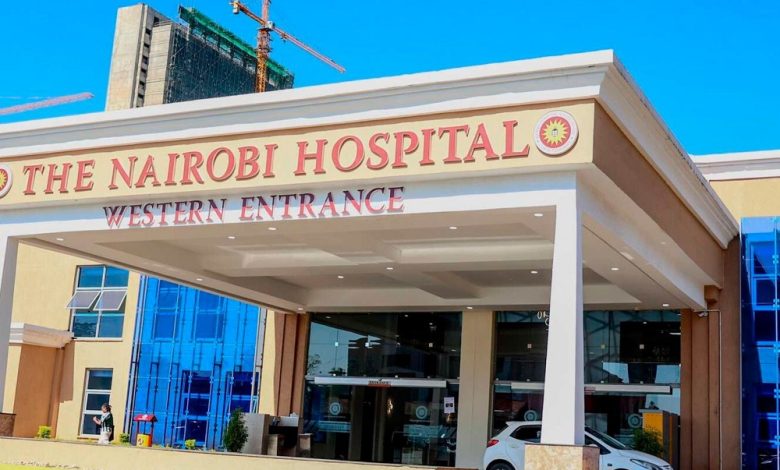
The Nairobi Hospital has agreed to suspend implementation of the recent price review following a meeting with key insurance providers, most of whom had cut links with the facility in protest.
“Following a productive strategic meeting held today with key insurance providers, The Nairobi Hospital has agreed to suspend the implementation of its recently announced price review, effective immediately,” the Chief Executive Officer Felix Osano said in a statement.
“This decision, made in good faith, responds to requests from our valued insurance partners to allow for further consultation and collaborative dialogue.”
The statement said the meeting was attended by senior representatives of leading medical insurance providers, including Madison Insurance, First Assurance, Minet, Old Mutual, Britam, AAR, CIC and Pacis Insurance, which had last week announced they will not provide services for patients at the prime but beleaguered facility beginning Monday.
This was after discussions on a more sustainable, volume-based model failed to bear fruits.
Representatives of Heritage, Kenindia, Kenya Alliance and Fidelity also attended Monday’s crisis talks.
During the discussions, Osano said concerns over the proposed pricing structure, ensuring alignment with the hospital’s shared commitment to patient-centred care were addressed.
Initially, while calling for the meeting, the hospital had insisted that the tariff adjustments are necessary to maintain the high standards of healthcare its patients deserve.
“Independent comparisons indicate that our revised rates remain competitive and fair when measured against peer institutions offering equivalent levels of care and expertise,” it had said.
The hospital, which is owned by the Kenya Hospital Association (KHA), had last month announced an increase in the cost of services by as much as 61 per cent on key services such as scans, ultrasounds, and bed charges.
While it is considered the East African region’s most advanced hospital, it has been reeling in leadership wrangles and financial mismanagement allegations, affecting both its operations and reputation.
It is also reported to be indebted to the tune of over Sh3 billion.