Muloba: How KRA managed to surpass target amid tough economic conditions
Through the tax amnesty programme, KRA collected Sh29 billion after 116,144 taxpayers voluntarily declared and paid.

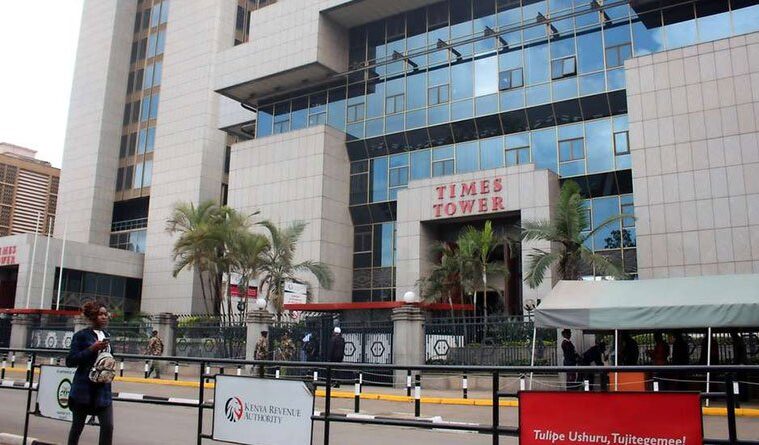
The Kenya Revenue Authority (KRA) has attributed its revenue growth in Financial Year 2024/25 to implementation of a number of measures during the period, which led to higher collections.
The taxman revealed that it surpassed the revenue target of Sh2.555 trillion for the Financial Year 2024/2025 after collecting Sh2.571 trillion, which was a growth of 6.8 per cent and a performance rate of 100.6 per cent, compared with the Sh2.407 trillion collected in the last financial year.
According to KRA Commissioner General Humphhrey Muloba, the measures include taxation of digital economy (DST/SEP, VAT on Digital Market Supply-DMS, DAT, which saw it record a performance rate of 112 per cent after netting Sh14.3 billion, which translates to a 32 per cent growth from the Sh10.8 Billion collected in FY 2023/24.
“These taxes are collected from non-resident taxpayers in the digital economy, including multinational digital companies. KRA’s initiatives under this strategy include a robust recruitment of non-resident taxpayers and deployment of technology to ensure compliance,” he said in a statement.
Muloba also cited tax base expansion, which aims to on-board taxpayers previously not paying taxes and convert inactive taxpayers into active taxpayers.
“The programme enabled KRA to collect Sh24.9 billion in revenue. Some of the initiatives under TBE include launch of the Electronic Rental Income Tax System (eRITS) that has provided visibility of rental properties, rental income and occupancy status; recruitment of landlords under the Monthly Rental Income (MRI) programme through a taxpayer mapping process (Block Management System – BMS); recruitment of additional taxpayers and provision of additional tax obligations based on their income.”
He added that KRA has integrated with other systems, allowing for an almost real-time collection of information and revenue directly at the source.
Some of the interventions under this strategy include integration of betting and gaming Companies into KRA tax system. The integration has given KRA real-time access to 141 companies in the gaming and betting sector. This enabled both Excise Tax on betting services and Betting Tax to surpass the FY 2024/25 target.
Further, KRA enhanced collection from debt programmes on non-compliant taxpayers, mobilising a total of Sh141.261 billion in FY 2024/2025.
Muloba said this performance is attributable to follow-ups on demand notices and the debt instalment plans agreed upon with taxpayers.
During the fiscal year, a total of 3,512,835 taxpayers benefitted from the tax amnesty programme after they were granted waiver on penalties and interests amounting to Sh95.645 billion. Through the programme, KRA collected Sh29 billion after 116,144 taxpayers voluntarily declared and paid.
In its commitment to efficiency and effectiveness in reduction of cargo clearance times, KRA has enhanced the iCMS capabilities to allow for Pre-Arrival processing of documents using the Bill of Lading as the base document for declaration of Customs entries. Additionally, KRA has spearheaded the formulation of joint Service Level Agreements (SLAs) for sea clearance cargo with 23 Partner Government Agencies (PGAs). This will improve efficiency in clearance of sea imports and exports by ensuring predictability and accountability. KRA has also established three trade facilitation centres along the Northern Corridor — Kainuk, Lodwar and Kakuma. These centres are dedicated to supporting cargo monitoring and facilitating trade with South Sudan, Ethiopia and Uganda.”
Muloba also said KRA uses the Alternative Dispute Resolution (ADR) framework as a trade facilitation mechanism by ensuring amicable resolution of tax disputes, as opposed to protracted legal processes, which 970 cases were concluded, enabling release of Sh15.296 billion. This demonstrates KRA’s commitment to promoting compliance through non-adversarial mechanisms. At the same time, however, KRA also collected Sh65.09 billion through litigation processes.
He also pointed to KRA’s interventions to combat corruption and seal revenue leakages include implementation of the iWhistle programme, which facilitated collection of Sh6.8 billion from 821 cases reported anonymously; profiling of tax evaders and review of refunds and debt management processes. Internally, KRA conducts lifestyle audits on staff and runs robust internal awareness campaigns to ensure staff uphold integrity in their work. Through the iWhistle, 45 staff integrity cases were reported and action taken.
Also implemented were customer support programmes, which are aimed at building partnerships and increasing engagements to ensure the public fully participates in revenue administration measures.
“In FY 2024/25, KRA held a total of 37 engagements with different sectors, nine sensitisations, 15 public participation sessions and nine These initiatives have played a key role in equipping individuals and other entities with relevant information on taxation.”