Mudavadi’s referendum push: People-centred reform or elite power engineering?

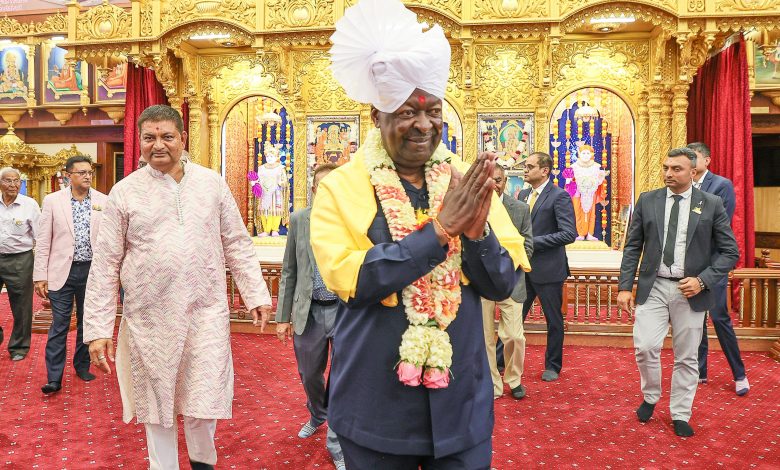
Prime Cabinet Secretary and CS for Foreign and Diaspora Affairs Musalia Mudavadi’s renewed call for a constitutional referendum has reignited an old but unresolved debate in Kenyan politics, should constitutional change be driven by the needs of the people or by elite political bargaining?
While Mudavadi frames the referendum as a necessary intervention to cure legal and institutional gaps ahead of the 2027 general elections, critics argue that the push risks drifting from public interest into the familiar territory of creating powerful positions for a political few.
At face value, Mudavadi’s argument carries legal weight. Kenya is grappling with unresolved constitutional obligations, including electoral boundary reviews, representation imbalances and the growing strain on governance structures under population pressure. These are legitimate concerns that, if left unaddressed, could expose future elections to legal challenges. A referendum, in this context, appears a logical mechanism for resolving matters that Parliament alone cannot amend.
However, the political context surrounding the proposal complicates this narrative. Historically, constitutional referenda in Kenya have rarely been purely technocratic exercises. From the Bomas talks to the Building Bridges Initiative (BBI) to NADCO Report, reform processes have often doubled as elite negotiations over power-sharing. The public memory of these experiences fuels suspicion that Mudavadi’s push may be less about fixing systemic weaknesses and more about restructuring the executive to accommodate new or revived positions.
Central to this concern is the recurring proposal to entrench or expand executive offices—particularly those resembling a Prime Minister’s role.
While proponents argue such positions promote stability and inclusivity, critics counter that Kenya’s governance failures stem not from a lack of offices, but from weak institutions, poor accountability and elite capture of the state. Creating new positions without addressing these deeper issues risks inflating government while leaving citizens’ lived realities unchanged.
For ordinary Kenyans, the pressing constitutional questions are far removed from elite job creation. The cost of living, unemployment, collapsing public services, corruption and inequality dominate daily concerns.
A referendum that prioritises executive reconfiguration over social justice, service delivery and fiscal discipline would struggle to gain genuine public legitimacy. Kenyans have grown increasingly skeptical of constitutional amendments that promise national healing but deliver political accommodation.
Mudavadi, as Prime Cabinet Secretary, occupies a unique position. He can either steer the referendum debate toward people-centred reform or allow it to be captured by succession politics ahead of 2027.
A credible referendum agenda would focus on strengthening devolution, safeguarding electoral integrity, enforcing leadership accountability and protecting public resources. These are reforms that tangibly affect citizens, not political elites.
Transparency will be critical. The government must clearly articulate what constitutional changes are being proposed, why they are necessary and how they benefit wananchi beyond political stability. Without this clarity, the referendum risks being perceived as another elite pact disguised as national reform.
Ultimately, constitutional change should be a tool for empowering citizens, not a ladder for political advancement. If Mudavadi’s referendum push is to succeed, it must decisively break from Kenya’s tradition of personality-driven reforms and demonstrate that the constitution exists to serve the people and not to create comfort zones for a select political class.