LSK sue Safaricom, DCI over protesters’ data breach

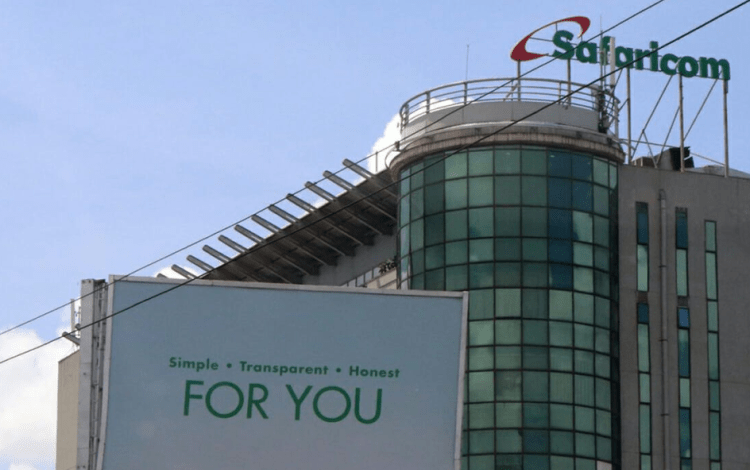
The Law Society of Kenya (LSK) has filed a constitutional petition at the High Court challenging Safaricom PLC, the Directorate of Criminal Investigations (DCI), and other state agencies over alleged unlawful access and use of Kenyans’ private data during the 2024 Gen-Z protests against the Finance Bill.
Filed at the Milimani Law Courts, the petition claims investigators accessed protesters’ telecommunications data without court authorisation, violating constitutional rights including privacy, dignity, liberty, freedom of expression, and the right to a fair trial.
“The lack of court-sanctioned warrants or production orders underscores a systemic breach of privacy rights and circumvention of due process,” the petition states.
Over 40 respondents and interested parties are named, including the National Police Service, the Office of the Director of Public Prosecutions, the Communications Authority of Kenya, and Kenya Power and Lighting Company.
The petition alleges that authorities traced activists using subscriber information, call detail records, SIM registration details, and geolocation data without court warrants.
LSK contends that Safaricom publicly assured Kenyans that such data would only be released with judicial approval but later shared it with investigators without proper authorization.
LSK highlighted the criminal case of activist David Ooga Mokaya, in which police allegedly accessed his mobile data without a warrant to locate and arrest him.
Investigators reportedly obtained subscriber information from Safaricom, traced Mokaya to his student residence in Eldoret, and transported him to Nairobi for detention and charges.
The lawyers’ body argues that this case demonstrates a broader pattern of authorities using telecommunications data to track protesters and critics during politically sensitive periods.
Among the orders sought, LSK wants the High Court to declare the alleged data sharing unconstitutional and compel Safaricom and government agencies to compensate victims through a public fund administered by the Victim Protection Board.
The petition also seeks reforms requiring law enforcement to obtain court orders before accessing subscriber data and compelling telecoms to maintain transparent logs of all data requests.

The case is before Justice Lawrence Mugambi, who directed that the petition be served on all respondents within three days.
The court directed that respondents must file their replies within seven days, with the petitioner allowed a rejoinder in the same timeframe. Further directions are scheduled for April 9, 2026.