Kigali Paramount Hotel: A gateway to regional and international hospitality, academia and business
“Our strongest differentiator is the combination of hospitality, education and practical industry development under one platform,” Simon Muhoro, General Manager, Kigali Paramount Hotel noted.

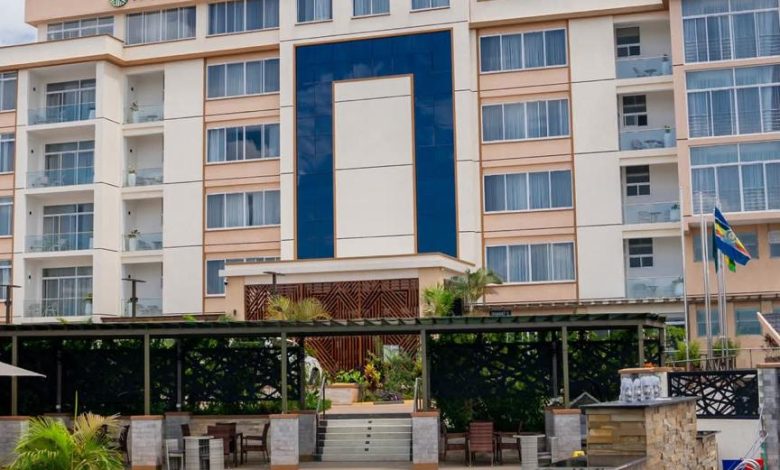
Just over a year after opening its doors in April 2025, Kigali Paramount Hotel is steadily carving out a distinctive place in Rwanda’s competitive hospitality industry—combining boutique luxury, modern facilities and hands-on hospitality education under one roof.
Located in Kicukiro District and established by Mount Kigali University (MKU Rwanda), the hotel was conceived as more than an accommodation facility. It is a state-of-the-art hospitality and training hub designed to bridge the often-wide gap between classroom learning and the realities of the hotel industry.
The facility achieved official four-star classification from the Rwanda Development Board (RDB) by early 2026, strengthening its position in Kigali’s growing market for quality accommodation, conferences, business meetings and events.
Speaking exclusively to The Informer Media Group, General Manager Simon Muhoro opined that that the hotel’s first year has been defined by growing market acceptance and an increasingly clear sense of purpose.
“Since its official opening in April 2025, Kigali Paramount Hotel has made significant progress in establishing itself as an important hospitality and application facility for the SHTTM,” Muhoro noted.
He added that demand has continued to grow across accommodation, food and beverage, conferences, meetings and events—areas that place the hotel at the centre of Kigali’s expanding business and tourism ecosystem.
But its significance goes beyond commercial performance.
The hotel is emerging as a practical laboratory for hospitality students, allowing them to encounter the standards, discipline and operational realities of the industry before they graduate.
For MKU Rwanda students, this means hospitality education does not end when a lecture does. The hotel provides a “living learning environment” where students can observe and participate in real hotel operations under the guidance of experienced professionals.

They can gain exposure to front office operations, housekeeping, food and beverage, guest relations, events, sales and marketing, finance and other critical functions.
The approach is designed to produce graduates who are not only academically qualified but also workplace-ready.
Muhoro added that practical exposure helps students develop technical competence while building equally important professional qualities such as communication, teamwork, accountability, problem-solving and attention to detail.
The model also creates possibilities for students from across the region, with the hotel looking to strengthen structured internships, mentorship programmes and exposure to tourism organisations and hotels in Rwanda and beyond.
This education-industry connection is arguably Kigali Paramount Hotel’s biggest differentiator.
In a city populated by established luxury properties, the hotel is positioning itself around an unusual proposition: guests receive a quality hospitality experience while students gain direct exposure to the same professional environment.
“Our strongest differentiator is the combination of hospitality, education and practical industry development under one platform,” Muhoro noted.
The hotel’s ambitions are therefore both commercial and developmental.
The hotel targets corporate travellers, leisure guests, local residents, international visitors, government and institutional clients, as well as the meetings, incentives, conferences and exhibitions (MICE) market.
Rather than relying solely on short-term transactions, management says it is focused on understanding guests, anticipating changing market expectations and building lasting relationships.
Service excellence, professionalism, attention to detail, local relevance and continuous improvement form the core of that positioning.
The strategy comes at a time when Kigali is strengthening its reputation as a regional destination for conferences, business, tourism and investment.
Kigali Paramount Hotel projects to become part of that story by offering a sophisticated venue for regional business, academic and cultural gatherings while contributing to Rwanda’s wider hospitality ambitions.
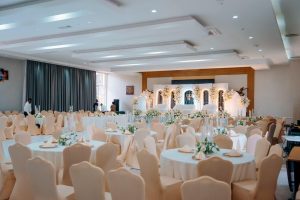
Its conference and events facilities provide an additional avenue for the hotel to serve corporations, institutions, universities, government agencies and other organisations seeking a modern setting for meetings, conferences and cultural engagements.
At the same time, the hotel sees itself as a platform for showcasing Rwanda’s hospitality potential.
By maintaining high service standards and helping develop skilled hospitality professionals, management believes the facility can contribute to Kigali’s reputation as a destination capable of hosting international visitors and major events.
Its influence could extend beyond Rwanda.
The hotel’s management envisions skills, knowledge and partnerships developed through its operations contributing to a wider East African hospitality ecosystem, creating opportunities for collaboration between training institutions, tourism organisations, hotels and businesses across the region.
The next three to five years are expected to be critical in turning that ambition into reality.
Management’s priorities include increasing occupancy, strengthening corporate and leisure markets, expanding conference and events business, introducing innovative food and beverage experiences and building partnerships with training institutions, corporates and tourism stakeholders.
Digital marketing, sales channels and customer engagement will also receive greater attention, alongside continued investment in facilities, products and guest experience.
Perhaps most importantly, the hotel intends to expand opportunities for students to gain practical exposure to the hospitality industry.
Employment and skills development will remain central to the growth strategy, with the facility seeking to create a strong pipeline of hospitality professionals capable of serving Rwanda and the wider region.
For guests, this promises an increasingly refined hospitality experience. For students, it means more opportunities to learn from actual hotel operations. For employees, it presents avenues for professional growth. And for the wider community, it creates employment, skills development and partnerships.
Kigali Paramount Hotel may still be relatively young, but its model gives it an identity beyond that of a conventional luxury hotel.

It is seeking to become a commercially successful hospitality business, a practical training ground, a conference and events destination and an institution contributing to the professionalisation of Rwanda’s tourism sector.
As Muhoro puts it, Kigali Paramount Hotel is “still on a journey”—but with its boutique character, state-of-the-art facilities, four-star status and unique university-industry model, the hotel is betting that its strongest chapter is yet to come.