IPOA’s independence on trial as new boss takes charge
In June, Kirinyaga Governor Anne Waiguru publicly challenged the authority to do more, accusing it of failing to hold officers allegedly linked to abductions accountable.

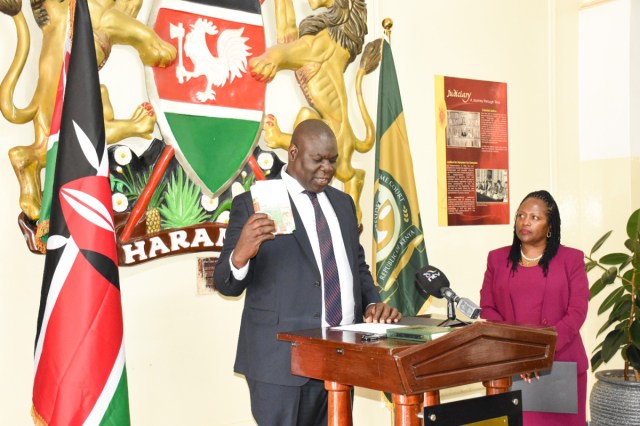
Duncan Ojwang Oburu has taken charge of Kenya’s police watchdog at perhaps its most consequential moment yet—with public confidence in the institution under strain and growing questions over whether the Independent Policing Oversight Authority (IPOA) can independently hold the police to account.
Ojwang was on Thursday, September 10, 2026 sworn in as the fourth chairperson of IPOA inheriting a six-year mandate that will take him deep into preparations for the 2027 General Election, when policing, protest rights and allegations of police brutality are likely to become major political flashpoints.
His appointment comes against a backdrop of mounting scrutiny over IPOA’s effectiveness and perceived institutional independence crisis, particularly in dealing with allegations of abductions, enforced disappearances and other abuses attributed to police officers.
In June, Kirinyaga Governor Anne Waiguru publicly challenged the authority to do more, accusing it of failing to hold officers allegedly linked to abductions accountable.
“IPOA must do its work because you are making our work very difficult. It is hard to defend the government if abductions become the news every day,” Waiguru said.
Her remarks exposed the political pressure surrounding an institution constitutionally designed to provide civilian oversight of the National Police Service—and underscored the credibility challenge confronting its new leadership.
At his swearing-in ceremony at the Supreme Court, Chief Justice and President of the Supreme Court Martha Koome delivered an unusually pointed message to Ojwang: lead independently, courageously and without fear or favour.
“Lead IPOA with independence. Lead with courage and fairness. You must be firm, impartial and evidence-based, and be respectful of due process,” Koome said.
She warned that the strength of Kenya’s constitutional order depends on strong, independent institutions.
Ojwang succeeds Justice Ahmed Issack Hassan, who left the chairmanship in February after his appointment to the Court of Appeal. Vice Chairperson Ann Wanjiku Mwangi served as acting chairperson during the recruitment process.
President William Ruto nominated Ojwang after a selection process launched in July. Parliament approved him on August 19 before his appointment was gazetted on August 31.