HIV scourge crisis as expired drugs reach patients, PrEP uptake plunges 80 per cent
Through the National Empowerment Network of People Living with HIV/AIDS in Kenya (NEPHAK), patients questioned how expired medicines found their way into health facilities and why they continued to be issued despite existing pharmaceutical safety protocols. Adding to the crisis, uptake of pre-exposure prophylaxis (PrEP)—the daily medication used by HIV-negative individuals at substantial risk of infection to prevent acquiring the virus—has reportedly collapsed by about 80 per cent as donor funding continues to dry up.

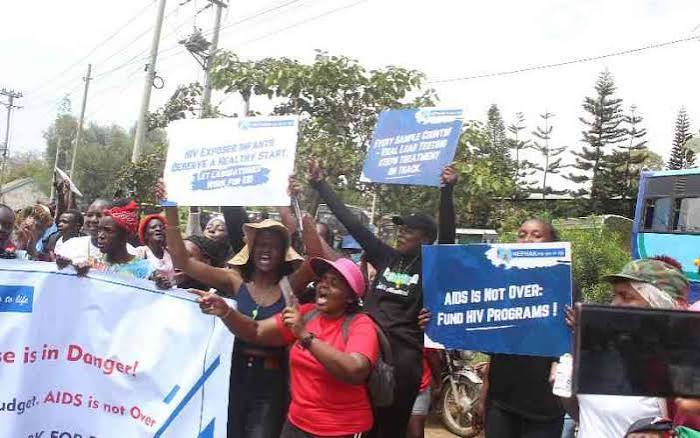
People living with HIV have demanded an urgent investigation into the distribution of expired and discontinued antiretroviral (ARV) medicines in public health facilities, as Kenya’s HIV response faces mounting pressure from drug shortages and a sharp decline in HIV prevention services following cuts in donor funding.
The concerns come amid reports that some public hospitals have dispensed expired ARV medicines to patients, including newborn babies exposed to HIV, raising fears over patient safety and the integrity of the country’s HIV treatment programme.
Through the National Empowerment Network of People Living with HIV/AIDS in Kenya (NEPHAK), patients questioned how expired medicines found their way into health facilities and why they continued to be issued despite existing pharmaceutical safety protocols.
NEPHAK said expired medicines should have been immediately withdrawn from circulation once identified and should never have reached patients.
“The drugs should have been mopped up and not dispensed to users,” the organisation said, calling for full accountability from the Ministry of Health, the Kenya Medical Supplies Authority (KEMSA) and all agencies involved in the procurement and distribution of ARVs.
The patient lobby wants authorities to disclose how many facilities were affected, the number of patients who may have received the expired medicines, and the measures being taken to replace the affected stock and prevent a recurrence.
The revelations come at a time when Kenya is grappling with acute shortages of HIV commodities following reductions in donor support, forcing health facilities to ration medicines and adjust treatment programmes.
Adding to the crisis, uptake of pre-exposure prophylaxis (PrEP)—the daily medication used by HIV-negative individuals at substantial risk of infection to prevent acquiring the virus—has reportedly collapsed by about 80 per cent as donor funding continues to dry up.
Health experts warn that the decline in PrEP access threatens to reverse years of progress in preventing new HIV infections, particularly among key populations, adolescents and young women who rely heavily on the preventive medication.
The funding shortfall has disrupted procurement of essential HIV commodities, including ARVs, HIV testing kits and preventive medicines, placing additional strain on Kenya’s HIV response.
Healthcare workers have also raised concerns over increasing pressure on already limited drug stocks, with some facilities reportedly forced to manage supplies through substitutions and emergency redistribution.
For patients, the discovery that expired medicines may have been dispensed has heightened anxiety over treatment safety and continuity.
Medical experts note that while some medicines may retain potency shortly after expiry, expired pharmaceuticals cannot be guaranteed to remain safe or effective and should not be administered to patients under standard clinical practice.
The reported exposure of newborns is particularly worrying because infants born to mothers living with HIV depend on timely and effective antiretroviral medication to significantly reduce the risk of mother-to-child transmission of the virus.
Patient advocates are now demanding an independent audit of the country’s HIV medicine supply chain, saying the incident points to possible failures in stock management, pharmacovigilance and quality assurance systems.
They are also urging the government to strengthen domestic financing for HIV programmes as international donor support declines.