Higher hopes for private sector credit growth this year, CBK survey shows
However, the risks of elevated credit risk, reduced consumers’ purchasing power, low business activities and high cost of doing business are likely to negatively affect credit growth

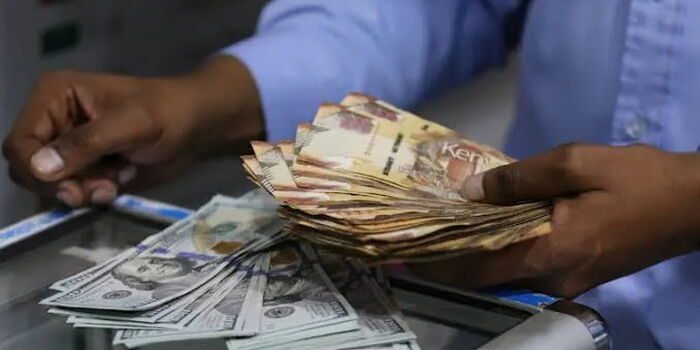
There is higher expectations on private sector credit growth in 2025 mainly supported by stable macroeconomic environment, improved liquidity conditions in the banking sector, and recovery of key sectors of the economy; and targeted credit facilities by the banks to support MSMEs through risk-sharing guarantee schemes and collaborations with international institutions.
According the Central Bank of Kenya (CBK)’s July Market Perception Survey, other factors fueling optimism as opposed to the one conducted in May are scaling up of digital lending platforms by banks to simplify access to credit and enhance credit penetration, particularly among retail clients and micro-entrepreneurs, anticipated continued lowering of bank lending rates which is expected to in turn stimulate loan demand across the retail, SME, and corporate segments; and declining returns on government securities that is likely to push banks to redirect their focus towards private sector lending.
However, the risks of elevated credit risk, reduced consumers’ purchasing power, low business activities and high cost of doing business are likely to negatively affect credit growth.
The Survey targeted Chief Executives and other senior officers of 302 private sector firms comprising 38 commercial banks, 14 microfinance banks (MFBs) and 251 non-bank private firms through questionnaires administered online, and via email and hard copies. The overall response rate to the July 2025 Survey was 62 per cent of the sampled institutions. The respondents comprised 38 commercial banks, 10 micro-finance banks, and 138 other non-bank private sector firms.
Respondents expect overall inflation to remain below the midpoint of the target range in the next three months mainly on account of stable exchange rate, stable food and moderating energy prices.
They also expect moderate to strong economic activity in August, September and October 2025 on account of enhanced agriculture activity, stable macroeconomic environment, and recovery of some sectors with the Government commitment to payment of pending bills.
Further, respondents expect improved economic growth in 2025 relative to 2024 mainly on account of
better agricultural performance, a resilient services sector and a stable macroeconomic environment.
According to the survey, hiring expectations by banks and non-bank private firms for 2025 compared to 2024
remained unchanged.
The survey showed sustained optimism by respondents about Kenya’s economic prospects in the next 12 months.
The survey also shows that average forward hotel bookings are higher in August 2025 relative to a similar period in 2024 due to seasonality factors and increased use of online booking engines.
In the survey, respondents were requested to give their expectations of overall inflation rates for the next three months (July, August and September 2025), the next 12 months (July 2025- June 2026), the next 2 years (July 2025 – June 2027), and the next five years (July 2025 – June 2030).
Respondents expected inflation to remain stable and below the midpoint of the target range over the next three months, mainly on account of stable exchange rates which is expected to mitigate imported inflation; favourable
long rains that are likely to boost agricultural production leading to lower and stable food prices; and stable energy prices due to moderating global crude oil prices resulting from increased supply.
However, the respondents reported some risks to the inflation outlook in the near term including geopolitical tensions and the US trade wars that could lead to volatility in global and domestic prices, post-harvest supply tightness and logistical bottlenecks that may lead to slight price increases in cereals and vegetables.
Over the medium term, respondents expected inflation to remain anchored close to the midpoint
of the target range supported by expected stability in food prices, lower fuel prices, and lower interest rate.
Respondents noted that the key drivers supporting this outlook included improved agricultural productivity, supported by favourable weather and continued government interventions; and stable fuel and energy costs aided by moderate global crude oil prices on the back of rising global oil supply.
According to the survey, a stable Kenya Shilling which is anticipated to limit imported inflation especially in food, fuel, and other tradable goods.
However, respondents also identified several risks to the medium-term inflation outlook, including increase in the cost of production of goods and global fuel and global commodity price volatility due to the US trade wars and geopolitical tensions.