Government backs innovation with the launch of Kenya Digital Token amid bold crypto strategy

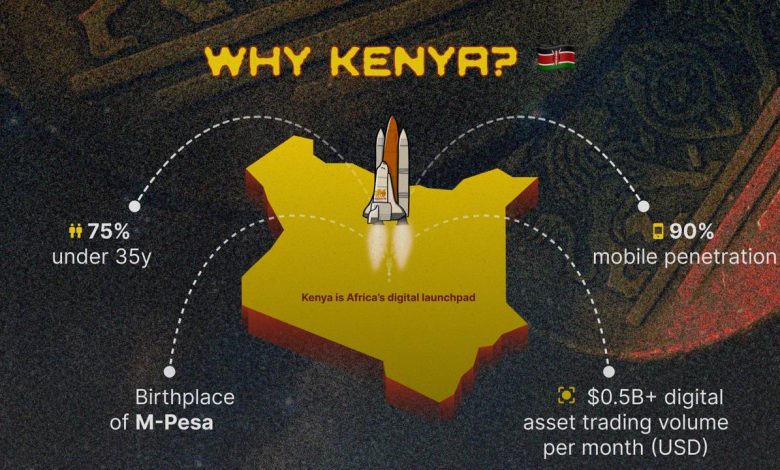
Kenya has signaled a historic policy shift in embracing the digital economy with a strategic focus on Bitcoin, stablecoins, and blockchain integration.
Through a series of statements and videos posted on X, Hon. William Kabogo, the Cabinet Secretary for the Ministry of Information, Communications and the Digital Economy (MICDE), announced the government’s intent to explore digital assets as a cornerstone of national economic transformation.
On July 11, 2025, the ministry also welcomed the launch a bold civic-led initiative dubbed the Kenya Digital Token (KDT) on the Solana blockchain.
Though independently developed by private sector innovators, the government acknowledged that the token aligns closely with national goals of fostering identity, technological empowerment, and inclusive participation.
“I welcome the launch of the Kenya Digital Token as a bold step by the private sector to expand the digital economy,” said Kabogo. “It reflects the growing confidence in tokenisation as a tool for value exchange, inclusion, and innovation.”
While clarifying that the KDT is not a government-issued token, the Cabinet Secretary emphasized that it complements the country’s strategic digital direction. “It speaks directly to the heart of the Kenyan bottom-up economic transformation agenda, which empowers youth, drives economic dignity, and embraces technology to unlock opportunity,” he said.
The token’s use of Solana chosen for its scalability and low transaction costs aligns with MICDE’s IBRL (Increase Bandwidth, Reduce Latency) policy vision, aimed at ensuring every Kenyan can participate seamlessly in the global digital economy.
As Kenya advances its digital transformation agenda, the government is making it clear that it intends to lead with purpose, innovation, and inclusivity. With bold steps toward incorporating digital assets into policy, a proactive stance on blockchain regulation, and recognition of civic-led projects like KDT, the country is laying the groundwork for a resilient, future-facing economy.
MICDE reaffirmed its commitment to continuous stakeholder engagement and regulatory clarity as Kenya carves its path in the global digital arena.
“Kenya’s approach to digital assets is evolving from caution to leadership,” said Kabogo.
“We are supporting blockchain innovation, stablecoin development, and exploring Bitcoin reserves.” His remarks reflect a pivot in policy that seeks to position Kenya as a trailblazer in Africa’s Web3 future.
While full regulatory rollouts are still pending, Kabogo emphasised that the announcement represents a decisive step toward embedding digital assets within the country’s economic framework and sovereign reserves.
“Digital assets are the future of finance and Kenya cannot afford to be left behind,” he declared.
He also noted that Kenya is developing a National Policy on Virtual Assets and a Virtual Asset Service Providers (VASP) Draft Bill, aimed at balancing innovation, financial inclusion, and public safety in the evolving digital landscape.
Highlighting the depth of market engagement, Kabogo revealed that Kenyan citizens currently trade over $500 million in digital assets every month.
“This demonstrates the immense potential in our country, as our people are already active participants in the digital economy,” he noted.
The Cabinet Secretary stressed the importance of translating this digital activity into real-world socioeconomic gains such as job creation, investment attraction, and financial empowerment.
“With blockchain, someone in any village can now access global markets, raise capital, or invest in tokenised assets,” he explained. “This technology breaks down traditional barriers and opens new pathways for prosperity.”
MICDE has committed to working closely with innovators and stakeholders to develop policies that support responsible and inclusive digital development.