Goonism thrives because the state allows it
The rule of law cannot exist where violence wears political colours and impunity carries a state escort.

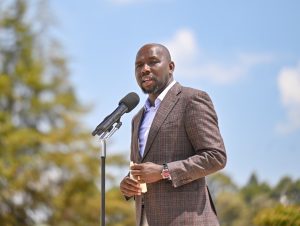
President William Ruto is right to say Kenya must have an honest conversation about criminality, the rule of law and national security.

His acknowledgement that organised groups of violent youths have become a threat to the country’s stability is timely.
But for that conversation to be meaningful, it must begin with an uncomfortable truth: goonism has flourished not because the state lacks laws, but because those entrusted with enforcing them have too often tolerated, protected or even benefited from it.
Kenya does not have a shortage of legislation to deal with organised violence. Assault, destruction of property, intimidation, unlawful possession of firearms and incitement are all criminal offences.
The challenge has never been the law. The challenge has been selective enforcement.
Over the last two years, the country has witnessed a disturbing pattern. Whenever opposition leaders, government critics or protesters assemble, groups of armed or organised youths suddenly emerge, disrupting meetings, attacking participants, vandalising property and disappearing without consequence. In many cases, police officers are either conspicuously absent, arrive late, or stand by as violence unfolds.

The events surrounding the Ol Kalou by-election remain among the clearest examples.
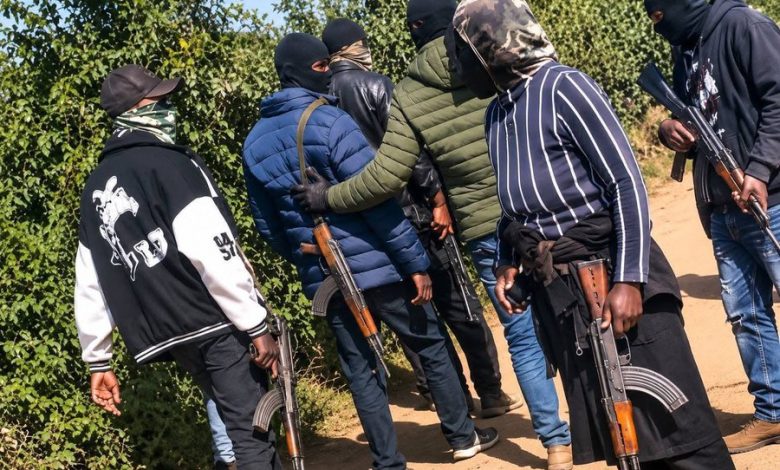
Armed men, some carrying sophisticated firearms and others wearing masks, terrorised voters, journalists and political supporters in broad daylight despite a heavy security presence in the constituency.
The country watched videos of unidentified gunmen moving with apparent confidence as frightened residents fled for safety.
To date, Kenyans are still asking basic questions. Who were these men? Were they police officers? Were they licensed civilians? Which security agency deployed them? If they were criminals, why have they not been publicly identified and prosecuted?
Inspector General of Police Douglas Kanja owes the country answers.
The National Police Service cannot continue claiming ignorance every time armed men emerge during politically sensitive events.
If the police do not know who these rifle-carrying individuals are, that represents a catastrophic intelligence failure. If they do know, but refuse to disclose their identities, then they become complicit in undermining public confidence in law enforcement.
The same troubling pattern has been witnessed elsewhere.
Political gatherings in Kariobangi and Mwiki have previously descended into chaos after organised gangs attacked opposition events. Worshippers at a church in Witima also found themselves caught in political violence after armed groups disrupted a meeting attended by opposition figures. Instead of swift arrests and prosecutions, investigations often fade away as public attention shifts elsewhere.
Even during demonstrations over the death of blogger Albert Ojwang, disturbing footage appeared to show violent groups operating alongside police as protesters were attacked.
Some of the youths later admitted they had allegedly been recruited and promised payment to confront demonstrators before claiming they were never fully paid. Those allegations were never comprehensively investigated, despite the existence of video evidence and eyewitness testimony.
This cycle has normalised political violence.
Interior Cabinet Secretary Kipchumba Murkomen has repeatedly promised tough action against criminals and politically sponsored gangs.
His public statements have been forceful, warning that no one will be allowed to threaten national security. He has announced specialised security initiatives, including the proposed Nairobi Metropolitan Police Unit, aimed at combating organised urban crime.
Yet the results remain difficult to see.
The public judges governments not by speeches but by outcomes. Every new promise loses credibility when known perpetrators continue operating openly while investigations stall indefinitely. Announcing elite police units means little if those allegedly financing or directing violence remain untouched.
More worrying is the growing perception that political affiliation determines whether criminal behaviour attracts prosecution. Youths associated with opposition activities often face swift arrests, while those linked to attacks against opposition meetings frequently appear to enjoy remarkable impunity.
Such double standards erode the legitimacy of both the police and the justice system.
Politicians, too, must shoulder responsibility. Kenya’s political class has developed a dangerous habit of outsourcing intimidation to unemployed young people. Instead of competing through ideas, some leaders recruit gangs to heckle rivals, disrupt meetings, intimidate voters and create fear. Once violence erupts, the same politicians conveniently distance themselves, describing the perpetrators as “unknown individuals” or “overexcited supporters.”
These young men are expendable. They are mobilised with small payments, alcohol or false promises of political rewards, then abandoned once arrests begin or injuries occur. Their lives become disposable tools in power struggles that enrich only political elites.
President Ruto’s latest remarks should therefore mark more than another public condemnation. They should become the beginning of genuine accountability.
That means identifying those who finance political gangs regardless of party affiliation. It means arresting armed men whose identities have remained conveniently mysterious. It means compelling the National Police Service to explain how heavily armed individuals continue appearing at political events without consequence. It also means ensuring officers who fail to prevent or who facilitate political violence face disciplinary and criminal action.
The Constitution guarantees every Kenyan the right to assemble, campaign, worship and express political opinions without intimidation. Those rights become meaningless when violence is selectively ignored.
If Kenya is serious about becoming a first-world economy, as envisioned in the report presented to the President, then ending organised political violence is not optional. Investors require stability. Citizens deserve security. Democracy depends on equal protection under the law.
The greatest threat to Kenya is not merely the existence of goons. It is the perception that some goons enjoy official protection.
Until that perception is confronted with transparent investigations, impartial prosecutions and visible accountability, speeches condemning criminality will ring hollow. The rule of law cannot exist where violence wears political colours and impunity carries a state escort.