Give diplomacy a chance, Mudavadi tells Kenyans amid tensions with Tanzanians
He tells MPs that if diplomatic channels fail, he will return to declare that it has failed and recommend a different method

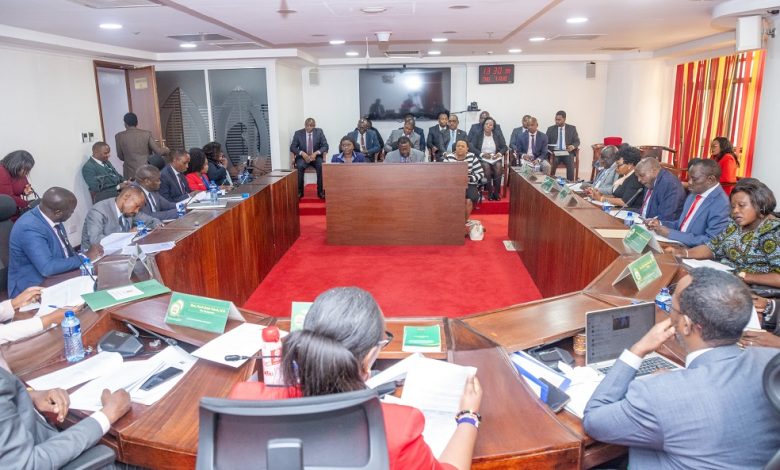
Prime Cabinet Secretary and Cabinet Secretary for Foreign Affairs Musalia Mudavadi has called on Kenyans to allow his ministry to undertake diplomatic efforts to address emerging regional tensions, particularly in light of decisions and remarks by Tanzanian officials.
Speaking when he appeared before the National Assembly Committee on Regional Integration, which is chaired by Nominated MP Irene Mayaka, Mudavadi underscored the importance of patience and persistence in diplomacy, noting that dialogue remains the most effective and sustainable path to resolving regional disagreements.
Tanzanian authorities, including President Suluhu Hassan, have been under attack from Kenyans following the arrests and deportations of human rights activists and the recent order barring foreigners from engaging in various businesses.
However, Mudavadi reassured the committee and the public that the government remains fully committed to engaging constructively with neighbouring states to safeguard peace, promote cooperation, and ensure long-term regional stability.
“Let us allow the diplomatic process to proceed. If diplomacy fails , I will come and declare that the diplomatic channel has failed and therefore let’s use a different method,” he said.
While Underpinning Kenya’s tradition of good neighbourliness, Mudavadi highlighted the strong bilateral relations the country enjoys with Tanzania and Uganda.
He pointed to the ongoing 2024 CHAN football tournament, jointly hosted by the three countries, as a demonstration of their continued collaboration and shared regional identity.
The PCS noted that Kenya has been a key beneficiary of the East African Community (EAC) integration, particularly through increased exports and expanded access to regional markets. He described this success as a reflection of Kenya’s proactive engagement in regional trade and economic diplomacy.
“We are working deliberately to broaden and diversify markets for our products,” he said. “Kenya’s participation in COMESA, the EAC, and its advocacy for the African Continental Free Trade Area are strategic decisions aimed at enhancing our competitiveness and regional standing.”
Mudavadi further emphasised that expanding the regional integration is crucial for unlocking economic potential across borders.
He highlighted the importance of reducing trade barriers and called for inclusive frameworks, such as hybrid integration models, to accommodate countries that are still in the process of completing their formal integration requirements.
He also pointed to infrastructure development as a key pillar of regional growth and integration. Projects such as the expansion of the Nakuru-Malaba Road and progress on the LAPSSET Corridor were cited as examples of Kenya’s commitment to improving regional connectivity, trade facilitation, and economic resilience.
Mudavadi reiterated his call for national support of diplomatic processes, stressing that diplomacy is not only a tool for conflict resolution but also a vehicle for building stronger partnerships across the region. His message underscored Kenya’s unwavering commitment to peaceful engagement, mutual respect, and regional integration as foundations for lasting prosperity and stability in East Africa.
Accompanying Mudavadi were Parliamentary Affairs Principal Secretary Aurelia Rono, Political and Diplomatic Affairs Director General Josphat Maikara and Integration Secretary Dr Alice Yalla.