Fuel scandal deepens as Kenya cancels Sh11.8billion petrol deal

Kenya’s fuel import crisis deepened today after the government ordered the cancellation and removal of a controversial petrol consignment worth Sh11.8 billion, even as fresh details revealed a regional dimension involving Uganda.
Energy Cabinet Secretary Opiyo Wandayi directed that 60,000 tonnes of petrol imported by One Petroleum Limited, a firm linked to Mombasa tycoon Mohammed Jaffer be withdrawn from the country and barred oil marketers from selling or paying for it, terming the shipment illegal and outside the government-to-government (G-to-G) framework.
Jaffer also owns Africa Gas and Oil Company Limited (AGOL), which operates a large LPG import terminal at Mombasa. AGOL owns Proto Energy Limited
The cargo, imported amid fears of an imminent fuel shortage, was accused of being overpriced and of questionable quality, with officials warning it could have pushed pump prices up by about Sh14 per litre.
“In addition to the measures already undertaken, One Petroleum is directed to exit this product out of Kenya as soon as possible,” Wandayi said, adding that marketers should neither uplift nor pay for the fuel.
On its part, Jaffer’s linked firm One Petroleum Limited said that it has taken steps to prevent the condemned petroleum cargo brought into the country from entering the Kenyan market.
“Following consultation with the government, One Petroleum Limited confirms that it has forthwith taken steps to ensure that the petroleum cargo that was brought in on March, 27, 2026 via MT Paloma does not enter the Kenyan market,” the statement read.
However, industry players have questioned the practicality of recalling fuel already distributed through storage systems and sold to consumers, warning the directive could unsettle banks financing petroleum imports.
Wandayi directed One Petroleum Limited to recall the disputed cargo and issue credit notes for all invoices already sent to oil marketing companies.
CS Wandayi further instructed Oil Marketing Companies (OMCs) not to pay for or uplift any product linked to the consignment, warning that the shipment posed a direct threat to fuel price stability.
“The arrangement has ensured price stability and the integrity of product quality throughout the supply chain, an outcome that remains especially critical at a time when global petroleum product premiums have more than tripled and continue to rise amid escalating tensions in the Middle East.”
At the center of the directive is a 60,000-metric-tonne cargo of Super Petrol imported outside the government-sanctioned framework.
The consignment was priced at Sh198,000 per metric tonne—significantly higher than the Sh140,000 per metric tonne under Kenya’s Government-to-Government (G-to-G) fuel supply arrangement.
The unfolding scandal has already triggered high-level fallout, including the resignation of top energy officials, as investigations intensify into how the consignment was procured outside existing contracts with Gulf suppliers.
Separately, disclosures show Kenya had unsuccessfully sought help from Uganda to avert the looming shortage before turning to emergency imports that sparked the controversy.
According to a confidential brief, Nairobi requested access to fuel reserves held in the Kenya Pipeline Company system for Uganda, promising to reimburse the stocks once delayed shipments arrived.
“In view of the above projected situation, the Ministry requested the Government of Uganda… to advance their transit petrol,” the brief stated.
Uganda, however, declined the request, citing fears of its own supply risks amid global disruptions linked to Middle East tensions, forcing Kenya to invite bids from local firms for emergency imports.
The government later alleged that data may have been manipulated to justify the emergency procurement despite existing supply deals with international oil majors, raising further questions about the integrity of the process.
The controversy also highlights Uganda’s growing influence in Kenya’s fuel supply chain, following its acquisition of a 20.15 percent stake in Kenya Pipeline Company and board representation, positioning Kampala as a key player in regional petroleum logistics.
Together, the cancelled shipment and the Uganda link underscore systemic weaknesses in Kenya’s fuel procurement system, now under intense scrutiny as authorities seek accountability in one of the sector’s biggest recent scandals.
Today, after their release yesterday after spending the Easter holiday in police custody following their dramatic arrests on April 2, 2026 by sleuths attached to the Directorate of Criminal Investigations (DCI), the four sacked senior government officials linked to the fuel importation saga were yet again again summoned by DCI for further questioning.
The four, former Petroleum Principal Secretary Mohammed Liban, former Kenya Pipeline Company (KPC) Managing Director Joe Sang, former EPRA Director General Daniel Kiptoo, and former Deputy Director of Petroleum Joseph Wafula, are among a growing list of persons of interest now totaling 20.

They told detectives that their actions were guided by recommendations from the National Security Council Committee.
They maintained that the decision to source fuel from an alternative region, outside the government-to-government (G-to-G) framework, was aimed at averting a potential supply crisis triggered by escalating tensions linked to the US–Iran–Israel conflict.
However, by today evening, the Office of the Director of Public Prosecutions (ODPP) had not preferred any charges against the individuals, and it remains unclear whether it has received investigation files from the DCI to facilitate possible prosecutions of the senior officials implicated in the case.
Meanwhile, the opposition, led by Democracy for the Citizens Party (DCP) leader Rigathi Gachagua, has called for full disclosure of the amount allegedly recovered from the suspects’ residences.
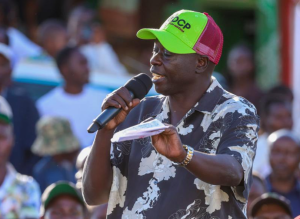
“We are asking you very validly how much was recovered from the suspects, was it recorded in the inventory…what is happening?” Gachagua stated.
The officials were dramatically arrested last Thursday, April 2, 2026 spending Easter weekend in custody before securing their release on police bail yesterday.