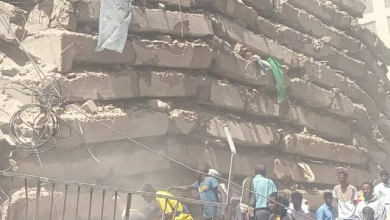
Engineers raise alarm over prevalence of substandard cement in the market
It says the built environment must meet certain performance thresholds to withstand both everyday use and natural shocks

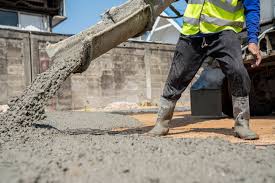
The Institute of Engineers of Kenya (IEK) has expressed concern over the prevalence of substandard cement in the market.
In a statement, IEK President Shammah Kiteme said their members have documented up to 25 per cent reduction in the compressive strength of concrete prepared from cement from several brands, undermining the strength and durability of concrete used in construction.
“This is a grave threat to public safety. The built environment must meet certain performance thresholds to withstand both everyday use and natural shocks. Cement is the binder in concrete. It is a key chemical component that hydrates in the mixture of fine and coarse aggregates and once it sets creating strong structures after curing and hardening. When cement is compromised, then life and property are directly at risk from compromised structural integrity,” he said.
“Engineers are at the heart of the construction sector and have raised the alarm regarding the deterioration in the quality of cement available in the market. It is alarming that this deterioration has been observed even in brands that bear the Kenya Bureau of Standards (KEBS) mark of quality,” he added.
Kiteme also flagged the sale of underweight cement, especially in hardware stores and retail outlets, saying that cement bags marked as 50kg have been found to weigh significantly less, some as low as 45kg, shortchanging clients.
“This fraudulent practice is a violation of consumer rights. We urge the relevant regulatory authorities to intensify market surveillance and spot checks across the country to stamp out this malpractice.”
Kiteme said that there is need for urgent and coordinated action, including a comprehensive audit of all cement manufacturers and brands in Kenya, including random sampling from hardware stores and distribution points, to independently verify quality and conformity across all cement classes.
He also called for mandatory enforcement of weight verification procedures before cement is dispatched from stores to customers, with penalties for non-compliance and immediate investigation and prosecution of rogue individuals, including public officials and private sector players, who are complicit in compromising the quality and standards of construction materials in Kenya.
“We require the collaboration of regulators, law enforcement agencies, manufacturers, and professional bodies to uphold standards, ensure compliance, and protect the lives of Kenyan citizens. IEK will continue to monitor this situation closely and will issue updates on any progress or lack thereof. We remain ready to work with stakeholders to uphold integrity, safety, and professionalism in Kenya’s construction industry,” Kiteme said.
The Consumer Federation of Kenya has previously raised similar concerns blaming the collapse of buildings especially in Nairobi and Kiambu on the sale of substandard products, including cement.
“In some cases, the problem starts and ends with deceptive labeling – to take advantage of majority consumers who focus on the price – and not quality,” Cofek said.
It added that random tests it undertook showed that nearly all brands are underweight (less than 50 kg) and less than recommended 32.5 unit strength.