EACC defends itself against claims of playing politics, undue delays in concluding graft probes
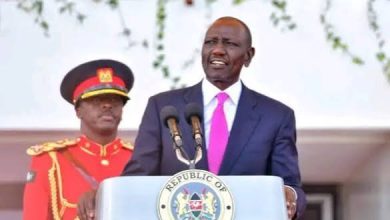
Karuga explained that investigations are not a one-off thing, adding that there are many players involved in the whole process

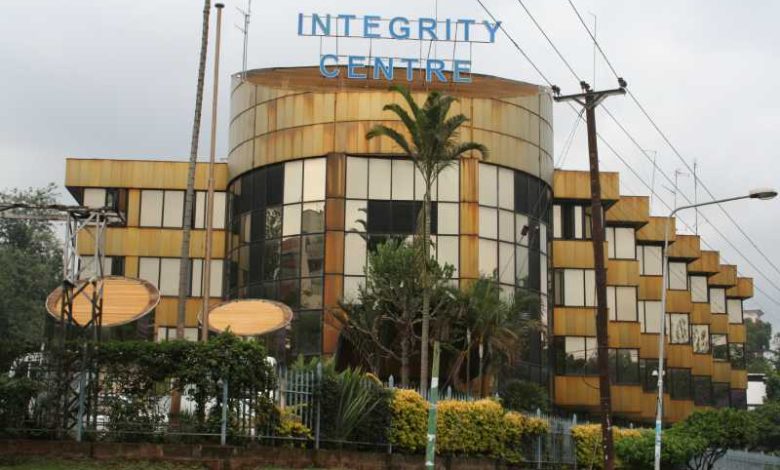
The Ethics and Anti-Corruption Commission (EACC) has dismissed allegations that raids conducted in the residences of high profile figures alleged to be involved in graft are politically motivated.
In an exclusive interview with The Informer Media Group, EACC Spokesperson Stephen Kiruga stated that investigations by the anti-graft authority are based on evidence and not political affiliation.
“All investigations are based on evidence, and there is no such thing as the political affiliations of the suspects,” he explained.
The allegations over alleged bias cropped up recently following the dramatic arrest and arraignment of Trans Nzoia Governor George Natembeya, which was preceded by chaos at his Kitale residence where EACC detectives had gone to search for evidence.
Karuga also defended EACC against accusations by the Senate Public Accounts Committee (PAC) that it has been delaying the conclusion of cases of governors previously arrested over alleged corruption dealings.
This was after Marsabit Governor Mohammed Ali said that he did not know the reasons behind his arrest over a year ago by the anti-graft authority, which he stated has kept on insisting that investigations are ongoing.
Karuga explained that investigations are not a one-off thing, adding that there are many players involved in the whole process.
According to him, each agency takes time at their turn to ensure details and evidence of the investigations are clear.
“It is a deep issue and not a one-sentence issue. Investigation is a process, and we are just one of the players in the process. Once we finish our investigations, we submit our report to the Office of the Director of Public Prosecutions (ODPP), who then proceeds with the next step, which also takes time based on their capacity and how they prioritise cases after independently going through the files,” he explained.
“If there are gaps, the files are taken back to us to fill them and arrive at a decision whether there is sufficient evidence to charge, and when they now move to arrest and arraign the accused persons in court, which is again an entire process of calling witnesses. From the investigations to the DPP and later courts, there could be delays attributed to resourcing, capacity of the institution, and complexity of the matter,” he added.
Kiruga revealed that in some cases, EACC officers have to travel overseas to collect evidence, which he explained, it consumes a lot of time.
“In some cases where evidence is to be obtained abroad, it is a whole process of seeking mutual legal assistance. There are so many factors that affect the turnaround time, and it can only be looked at on a case-by-case basis,” Karuga explained.
On why the Marsabit case has taken so long, the spokesperson promised to share details of the stage of the investigations later.
“I may not have information in terms of whether the Marsabit case has issues of MLA or whether it is pending at DPP or whether we are finalizing, I will have to look at the specific case,” he stated.
“Investigations are not a matter of acquittal or not. It is whether there is reasonable evidence or loss, and the person who is the judge is the judiciary,” he added.
Last year, EACC raided the Marsabit County headquarters and arrested the governor on allegations of corruption, but he was later released after grilling, with investigations ongoing.