Debt burden skyrockets at KTDA as tea farmers suffer

In PART TWO of our THREE PART investigative series dubbed ‘inside the rot at the Kenya Tea Development Agency (KTDA)’, managerial and leadership misadventures have been singled out as the key undoing compromising decent earnings and livelihoods of over 600,000 smallholder farmers.
In the latest audit report, the Tea Board of Kenya (TBK) blamed KTDA bosses for significant losses and low farmer payments.
The latest damning revelations cited deliberate release of poor-quality tea to the market leading to reduced farmer bonuses despite high global tea demand.
Although KTDA disputes some findings, unauthorised inter-factory loans, overvalued assets, high management fees, and a lack of accountability have prompted calls for reforms and even a commission of inquiry.
When contacted by The Informer Media Group for comment over concerns of profitability and subsidiaries of KTDA, alleged conflict of interest, factory debts and guarantees as well as claims of white elephant projects undertaken by KTDA, Group Chief Executive Officer (CEO) Wilson Muthaura promised to get back.
However, by the time of going to press, no response had been issued.
“In a meeting. My PA (personal assistant) will get in touch,” Muthaura said through a short text message.
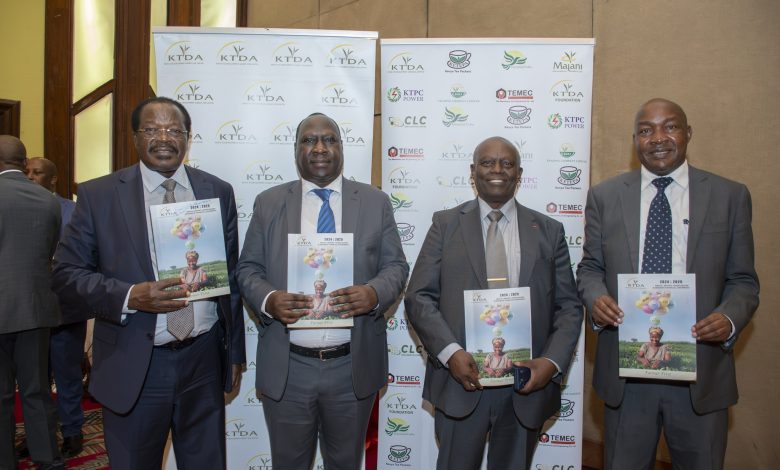
However, speaking at the 2025 KTDA Directors Conference in Nairobi on Thursday, December 11, 2025, Muthaura is quoted having painted a rosy picture at the financially nosedived tea farmers entity.

“This is the strength of the smallholder system. Disciplined operations and optimised processes enabled us to deliver strong results even under immense pressure. The task ahead is to convert this operational resilience into sustainable profitability,” Muthaura said.
This comes barely a week after the tea regulator revealed that Kenya’s tea factories are buried under 26.06 billion shillings ($200 million) in debt after a string of loans taken without board approval, backed by inflated collateral and diverted to unintended uses.
The TBK audit report presented to Parliament found systemic violations at the 71 factories managed by the Kenya Tea Development Agency (KTDA), which serves about 700,000 smallholder farmers.
Worst hit are factories from the west of the Great Rift Valley mainly drawn from Kericho, Bomet, Nyamira, Kisii and Nandi counties bearing a staggering debt amounting to Sh21.61billion as of June 2025. Eastern factories owed only 4.45 billion shillings.
Further, the audit flagged Sh10.36 billion in inter-factory loans arranged by KTDA headquarters without local board minutes or repayment rules.
Cash-strapped factories have missed one-year deadlines, prompting KTDA to scrap the programme last month and push factories toward commercial banks.
On inflated collateral and misuse of funds, TBK said a total of Sh12.8billion in commodity loans meant to fund October 2024 farmer bonuses were secured with sharply overvalued tea stocks especially in the west and spent instead on daily operations.
Another Sh2.59billion in asset-backed loans saw factories exceed approved limits and pay inflated prices for equipment. Machinery delivered to Kambaa and Sanganyi factories, for instance, cost far more than identical units elsewhere.
Three factories, namely; Kebirigo, Ragati and Chinga borrowed a whooping Sh300million shillings for capital projects such as withering-bay expansions but spent the money on unrelated items.
The government also owes KTDA Sh4.67billion shillings in unpaid fertiliser subsidy refunds, further worsening the cash crunch.
Amid revelations that some KTDA bosses deliberately released poor quality leaf in the market and consequently compromised the quality and prices, price crashes between east and west situated factories crisis has deepened further.
At the Mombasa auction, prices for western tea fell 16.3 per cent to an average 226.17 shillings per kilogram in the first nine months of 2025, compared with 270.11 shillings a year earlier. Eastern tea dropped just 2 per cent to 379.96 shillings per kilogram, fueling protests over low bonuses.
As the regulator, the Tea Board of Kenya called for an immediate forensic audit of all KTDA loans since July 2021, physical verification of assets bought with borrowed funds and a ban on new debt to pay year-end bonuses.
“Future farmer payments must be based on actual earnings and real cash, not borrowings propped up by overvalued stocks,” the board said.