DCI Kinoti, DPP Haji friction paralyse delivery of justice
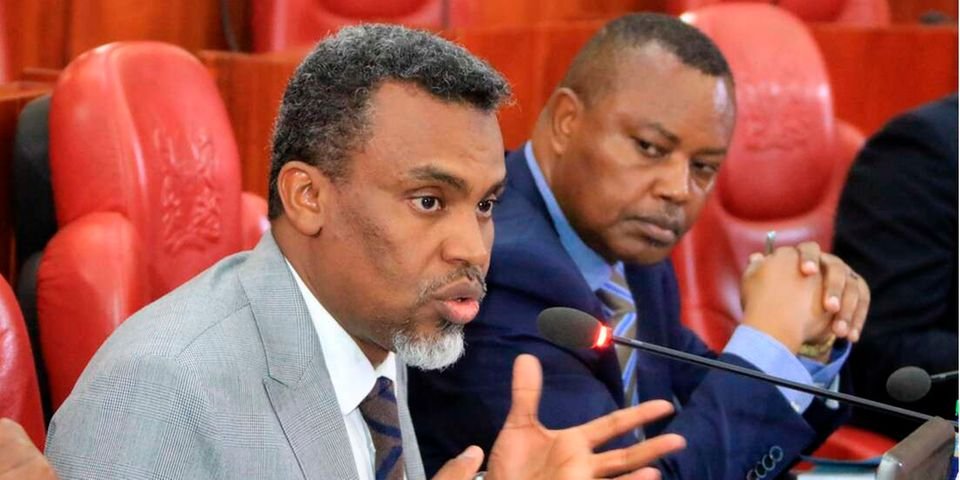
Rivalry pitting Director of Public Prosecutor (DPP) Noordin Haji and his Director of Criminal Investigations (DCI) counterpart George Kinoti has escalated with now the latter demanding for prosecution of the former for alleged perjury and fraud during consultative meetings to formulate guidelines on terrorism.
In an affidavit, Kinoti claims that the DPP, while organising a meeting for stakeholders to discuss the newly-formulated guidelines on Terrorism and Terror Financing Act, forged the attendance list to include names of two detectives who did not attend the meetings on diverse dates of February 21 and March 2022.
The case follows an affidavit that was sworn by the Director of the Anti-Terror Police Unit, Martin Otieno, claiming that the DPP doctored the documents on diverse dates between February 21 and March.
The DPP is also accused of equally forging the said officers’ residence entries in the hotel where the workshop was taking place.
Kinoti further alleged cases of tribalism and nepotism in selecting a consultant involved in drafting the guidelines for the Terrorism and Terror Financing Act.
In the affidavit, DCI is pushing for some issues to be set aside including the requirement for declassification of their operation and mode of investigations as provided in the guidelines which he stated are tantamount to exposing police officers.
DCI filed the suit after the DPP released a statement blaming him for the flop of the multibillion case against businessman Humphrey Kariuki, who was facing a Sh41 billion tax evasion case. The suit was thrown out by High Court judge, Justice Anthony Mrima.
DPP lamented that DCI made a mistake by preparing the charge sheet which his office is not constitutionally mandated.
“In the petition, the petitioners (Humphrey Kariuki and his two companies) contended that the charge sheet instituting the criminal charges emanated from the Director of Criminal Investigations whereas the Constitution requires all criminal prosecutions to originate from the Director of Public Prosecutions,” DPP stated.
The DCI, who wants the guidelines set aside, has raised a number of issues in the guidelines among them the requirement for declassification of their operation and mode of investigations as provided in the guidelines which he says is tantamount to exposing police officers to operational risks with far-reaching effect on the safety of the nation and allegedly assisting the terrorist suspect to escape the drag net, cover up evidence and aid in eliminating officers involved in the operation.
Kinoti says the taskforce as constituted comprised a majority of non-investigative agencies who lacked the expertise or technical knowledge in investigation of terrorism and financing of terrorism.
The DCI says as a lead agency they were underrepresented throughout the formulation of the guidelines with only two of their officers in attendance as opposed to 12 participants from the office of the Director of Public Prosecutions.
The move, he says, was a pre-conceived plan of formulating and validating the guidelines in exclusion of critical persons in the criminal justice system.
They say the DPP is hell-bent to seize the mandate of other agencies to the detriment of the best interest of the country.
On his part, the DPP in a terse statement over the standoff between the two offices on suspect processing told DCI to stop absconding his investigative duties and instead appeal against the high court ruling directing his office to draft charge sheets.
Haji said that the Judgment of the High Court is a reinforcement of previous Judgements delivered by Superior Courts on the issue of the exercise of prosecutorial powers.
The DPP, who has already rolled out a new charge sheet, has asked aggrieved parties to seek legal redress and assured all that he will collaborate with the office of the Inspector General of Police before undertaking any measures which might have far-reaching implications on the administration of Justice.