LSK receive petition to remove DP Kindiki and CS Murkomen from advocates’ roll

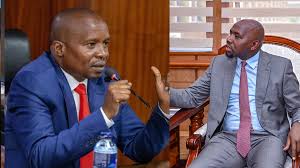
A Nairobi-based advocate has filed a formal motion seeking the removal of Interior Cabinet Secretary (CS) Kipchumba Murkomen and Deputy President Kithure Kindiki from the Roll of Advocates, citing their alleged role in state violence during protests.
The motion, filed by lawyer Kepha Ojijo and received on Monday by the Law Society of Kenya (LSK), accuses the two of gross misconduct and violations of the Advocates’ Code of Conduct stemming from their tenure as Cabinet Secretaries in charge of Interior and National Administration.
Ojijo argues that Murkomen and Kindiki, while serving in powerful security dockets, presided over police operations that resulted in the deaths, injuries, abductions, and disappearances of young protesters during the nationwide Gen Z demonstrations in 2024 and 2025.
He maintained that extrajudicial killings and forced disappearances have warranted the filing of the petition to remove the two from the list of practicing advocates.
“The respondents continue to identify as advocates while overseeing state-sanctioned brutality. This misleads the public and demeans the integrity of the legal profession,” Ojijo stated.
According to Ojijo, if Murkomen and Kindiki want to engage in politics, they should without wearing the advocate’s hat, adding that LSK should convene an urgent special general meeting of LSK members to vote on their removal.
He alternatively proposed that the matter be referred to the Advocates Disciplinary Tribunal (ADT).
The petition comes after the immediate former LSK President, Nelson Havi, early this year vowed to take action against Murkomen as he raised concerns over the inaction on the two, warning that it risked spoiling the reputation of the society.
Havi had vowed to pursue the removal of Kindiki Kithure and Kipchumba Murkomen from the Roll of Advocates.
This is even as earlier today, he had stated that if he were at the helm of LSK, the CS and the DP would have already been removed from the list of advocates.
“If I were still at the helm of the leadership of the Law Society of Kenya, Murkomen would have faced a motion for removal from office and disbarment,” Havi said.
According to the former advocates’ president, LSK ought to have taken action against CS Murkomen by now.
“The justification for that action is the number of people who have been shot in police stations, a confirmation that there are indeed officers complying with unlawful and unconstitutional orders issued by Murkomen,” he said.
LSK has been under pressure over its perceived silence on the actions of brutality sanctioned by the CS and DP.
The Kenyan law states that advocates can be struck off the Roll of Advocates if found guilty of professional misconduct, criminal offences involving moral turpitude, or conduct that brings the legal profession into disrepute.
The process is guided by the Advocates Act (Cap 16), which empowers the Advocates Disciplinary Tribunal (ADT), formerly known as the Disciplinary Committee, to investigate and discipline lawyers.
Any person or body, including the LSK, may lodge a complaint that could trigger such disciplinary proceedings.
If the ADT finds sufficient evidence against an advocate, it may recommend removal from the Roll, suspension from practice, or imposition of fines and other sanctions.
The decision must follow due process, allowing the advocate to respond to the allegations, and is subject to appeal at the High Court.
Striking off is considered the most severe punishment and is typically reserved for serious breaches of professional ethics or the law.
Section 62 of the Advocates Act provides that an advocate who is struck off cannot practice law unless reinstated, which can only be considered after atleast five years after the member demonstrates full rehabilitation, good conduct, and continued respect for the profession and the law.