Climate extremes linked to rising depression in women in Kilifi, study shows
The combined effect of climate shocks and soaring food prices was associated with a 48.3 per cent increase in suicidal thoughts

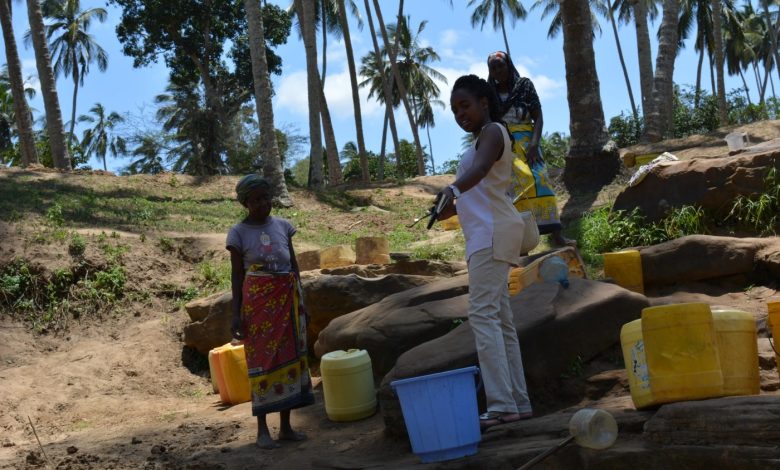
A newly published study by the Aga Khan University’s Brain and Mind Institute underscores the critical mental health toll of climate change on vulnerable populations, revealing for the first time robust causal evidence linking climate shocks to depression and suicidal ideation among women in rural Kenya.
The study, featured in eBioMedicine, analysed data from 14,801 women in Kilifi County, a climate-fragile region of coastal Kenya heavily reliant on subsistence farming. Researchers found that women living in informal settlements without access to running water or adequate sanitation were significantly more likely to experience severe psychological distress in response to climate-related events.
Key findings include:
• A 10.8 per cent rise in depressive symptoms among women in informal settlements compared to their counterparts in more stable rural households.
• 28.7 per cent higher rates of suicidal ideation following low rainfall, 14.9 per cent increases due to heatwaves, and a 36.7 per cent increase during droughts.
• The combined effect of climate shocks and soaring food prices was associated with a 48.3 per cent increase in suicidal thoughts.
“Climate variability is acting as a silent driver of psychological harm in communities with the fewest resources to cope,” said Prof Cyprian Mostert, the study’s lead author. “These findings highlight an overlooked consequence of climate change and its destabilising impact on mental health, especially among women already facing structural disadvantages.”
This is one of the first studies in Africa to clearly show that climate shocks like droughts and heatwaves directly worsen mental health ─ using strong statistical evidence to prove the link.
The researchers are calling on Kenyan policymakers and international partners to make mental health a core part of climate action, especially in rural and underserved areas. As climate change continues to strain food systems, water access, and livelihoods, the authors say mental health support must be included in how communities prepare for and respond to these challenges.
“This work exemplifies how environmental crises are inseparable from public health,” said Prof Zul Merali, co-author and Founding Director of the Brain and Mind Institute. “We cannot afford to silo climate policy from health systems strengthening. Mental health services must be embedded in climate response efforts, not only to treat distress but to preserve hope and dignity in the face of environmental upheaval.”
Funded by Waverley House, a Canadian philanthropic foundation, the study is part of the Brain and Mind Institute’s broader mission to generate locally grounded, globally relevant research at the intersection of mental health and sustainable development.