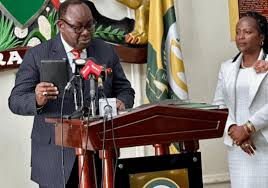
Ruto proclaims August 27 as Katiba Day: A celebration of 2010 Constitution
The supreme law fosters accountability and good governance by creating independent institutions and emphasizing ethics in public life

August 27 of every year shall be observed as Katiba Day after President William Ruto made a proclamation as Kenya plans to celebrate 15 years since the promulgation of the 2010 Constitution.
In a presidential proclamation, Ruto said the day will be dedicated to renewing shared commitment to the ideals of the constitution by fostering national dialogue on constitutionalism, governance, and the rule of law.
He noted that the promulgation of the 2010 Constitution marked a new era of constitutionalism, citizen-centred governance, devolution and equitable development, protection of fundamental rights and freedoms.
“It is befitting for the people of Kenya to commemorate this day as a reminder of our collective duty to obey, preserve, protect, and implement the Constitution. Now therefore, I do hereby proclaim that 27th August, 2025, and every 27th Day in August forever thereafter shall be observed as “Katiba Day” in commemoration of the promulgation of the Constitution of Kenya 2010,” he said.
President Ruto also noted that Katiba Day will be observed across the Kenyan territory and in all the Kenyan Diplomatic missions abroad.
“Katiba Day shall be observed throughout the territory of Kenya and all our diplomatic missions abroad as a day dedicated to renewing our shared commitment to the ideals of our Constitution by fostering national dialogue on constitutionalism, governance, and the rule of law,” he stated.
However, Ruto noted that Katiba Day will remain a working day in the country.
He directed all government institutions in the three arms of government and the two levels of governance, including schools, to organise, hold, and participate in solemn civic activities on August 27 to foster constitutional awareness and civic engagement.
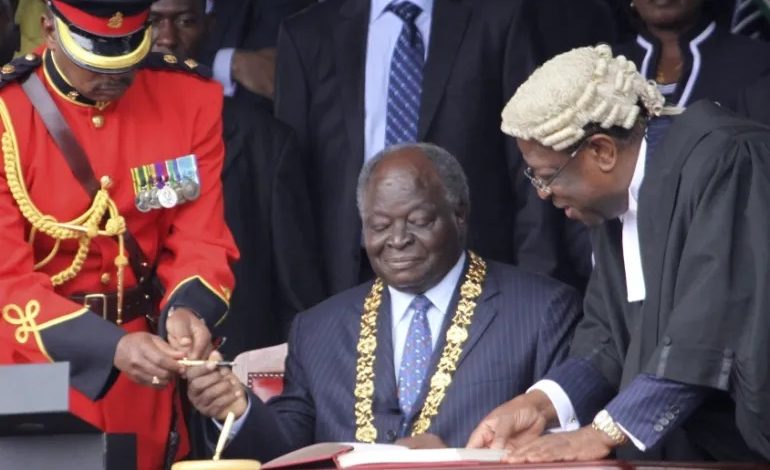
The current Constitution was promulgated 15 years ago by the late President Mwai Kibaki. The promulgation came after it had been subjected to a referendum on August 4, 2010, and was approved by 67 per cent of Kenyan voters.
The 2010 Constitution created 47 county governments, each with its own governor, assembly, and executive. It also created a bicameral Parliament; the National Assembly and Senate, with the National Assembly representing constituencies and special interests, while the Senate protects devolution.
Even more crucially, it has been described as one of the most progressive supreme laws in the world as it protects a wide range of human rights and fundamental freedoms, promoting equality and social justice for vulnerable groups.
The 2010 Constitution also fosters accountability and good governance by creating independent institutions and emphasizing ethics in public life.
Further, it includes provisions for public participation and the right to essential services like food, water, and health care.