Calls pile on government to declare femicide a distinct crime
The memorandum, which has support of over 91,800 petitioners, calling for urgent and concrete State action

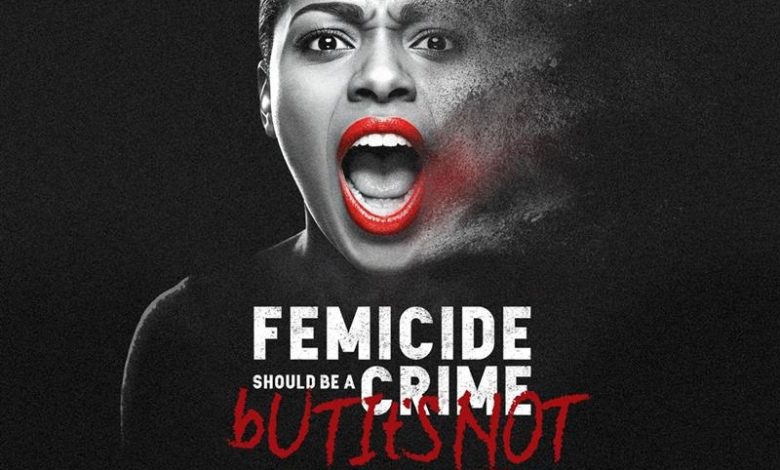
A growing wave of public outcry has intensified pressure on the government to officially recognise femicide as a distinct crime, as heartbreaking stories of murdered women and girls continue to emerge across the country.
Last month, Usikimye, a leading advocacy organisation against Gender-Based Violence (GBV), submitted a detailed memorandum to the Femicide Taskforce of Kenya, urging lawmakers to enact targeted legislation criminalising femicide.
The memorandum, which has support of over 91,800 petitioners, calling for urgent and concrete State action.
“We are witnessing a silent epidemic of violence against women in Kenya,” Njeri Migwi, Executive Director of Usikimye and lead of the “Project Red Lipstick” campaign, said.
According to Njeri, the gravity of the femicide crime cannot be ignored anymore.
“When a three-year-old child is raped, murdered, and dumped in a dam, and when a 69-year-old grandmother is strangled on her way to the market, the State can no longer ignore the gravity of this crisis.”
The memorandum documents over 10 harrowing cases of femicide from just the past year, including the killing of nine-year-old Masa Mayeshe, 19-year-old university student Sylvia Kemunto, and 30-year-old Charity Machira, brutally murdered in her home by her husband. Many of these cases remain unsolved.
Several suspects are still at large.
Femicide, defined as the gender-motivated killing of women and girls, is not yet classified as a standalone crime in Kenya.
Current laws treat such cases under general homicide statutes, a gap that survivors’ advocates say fuels underreporting, impunity, and lack of targeted justice.
Usikimye is calling for a dedicated femicide law that defines all forms—intimate partner femicide, child marriage-related killings, and culturally motivated murders—and mandates harsher penalties, specialized prosecution units, and timely investigation and resolution of cases.
“The law must reflect the reality we live in. Kenyan women are dying, and we cannot legislate as if this is normal,” Njeri added.
The campaign also proposes national education reforms, survivor support systems, and robust psychosocial services.
It is backed by Project Red Lipstick, a public awareness initiative using symbolic red lipstick to call for change under hashtags like #MakeFemicideACrime and #EndFemicideKe.
As the Presidential Taskforce on Femicide and Gender-Based Violence, led by Nancy Baraza, deliberates on the memorandum, activists say time is running out.
“This is not just a legal issue. It’s a human rights crisis. We are demanding justice—not just for the women who’ve died, but for those still living in fear,” Migwi said.