Blow to Ruto as court halts planned Kenya Pipeline IPO slated for next month
Justice Mwambuye issued the ruling after COFEK sought to stop the listing of the blue-chip parastatal on the Nairobi Securities Exchange )

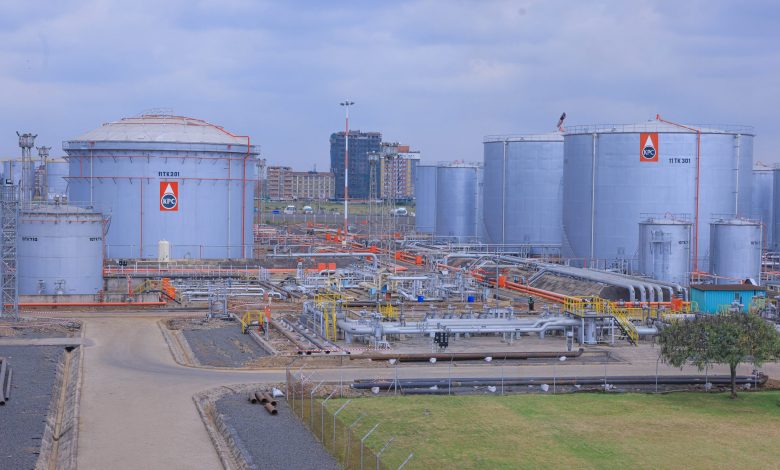
President William Ruto’s ambitious privatisation programme has suffered another major blow after the High Court temporarily halted the planned sale of a 61 per cent stake in Kenya Pipeline Company.
In a ruling delivered on Friday morning, High Court Judge Bahati Mwamuye stopped the intended Initial Public Offer (IPO) pending an inter partes hearing and determination of an application filed by the Consumers Federation of Kenya (COFEK) on Thursday.
““Pending the inter partes hearing and determination of the Petitioner/Applicant’s Notice of Motion Application dated 14/08/2025, a conservatory order be and is hereby issued restraining the Respondents and the Interested Parties, jointly and severally, and whether by themselves or through their agents, servants, or any person acting under their authority, from offering for sale, allocating, disposing, transferring, or otherwise dealing with any shares of the Kenya Pipeline Company Limited pursuant to the impugned privatisation plan that is the subject of the Petition herein,” read part of the ruling,” he ruled.
COFEK has sued National Treasury and Economic Planning Cabinet Secretary John Mbadi, the Privatisation Authority, and five others, in its bid to stop the listing of the blue-chip parastatal on the Nairobi Securities Exchange (NSE) next month as endorsed by the Cabinet on July 29.
Justice Mwamuye directed COFEK to serve the respondents and interested parties with the application, petition, and court order by close of business on Friday, August 15, adding that they must enter an appearance and file their responses by August 22, 2025.
The judge also ruled that COFEK may file a rejoinder, if necessary, by August 29 and all parties must file and serve a skeleton written submission by September 3.
He scheduled the hearing of the application shall be on September 5.
While President William Ruto has defended the decision to privatise KPC as aimed at unlocking the company’s full commercial potential, critics have questioned why it is keen on offloading a majority stake in a profitable company.
KPC, a strategic player in Kenya’s energy supply chain, has maintained a strong profitability record and holds significant asset value unlike many others that depend on the Exchequer to come to their rescue.
For instance, the parastatal last month handed over an interim dividend cheque of Sh3 billion to the National Treasury for the half-year ending December 2024 bringing the total dividends paid in the last 12 months to Sh10.5 billion.
However, while endorsing the decision, the Cabinet said it reflects the government’s policy shift toward reducing its role in doing business and instead enabling the private sector and industry experts to drive growth, efficiency, and innovation.
A dispatch issued after the meeting said the Cabinet was reminded that similar moves in the past have yielded transformative results with Safaricom, Kenya Commercial Bank and KenGen being cited as prime examples of formerly state-controlled entities that became high- performing companies following privatisation, driving shareholder value, expanding regionally, and creating thousands of jobs.
“The approval marks a shift from State dominance in commercial enterprises to a model that embraces private sector-led growth, operational discipline, and accountability, ultimately ensuring that public resources are better used to deliver essential services,” it added.
National Treasury Cabinet Secretary John Mbadi, who is eyeing Sh100 billion from the sale, has also defended it, saying privatisation has become a critical tool in addressing infrastructure gaps, enhancing service delivery, and promoting sustainable development.
“We have identified privatisation as a key tool to address the following three major economic balances: government debt, budget balances and economic stimulation,” Mbadi told MPs on Monday.
His Energy counterpart Opiyo Wandayi also defended the sale when he appeared before the National Assembly Committee, even as MPs questioned why the government is rushing the process before submitting a valuation report indicating how much it is worth.
Some critics have claimed that the sale of profitable parastatals through IPOs is a route being used to hide elite capture of prime State assets.