Auditor-General Nancy Gathungu exposes Sh50billion rip-off in SHA health scheme

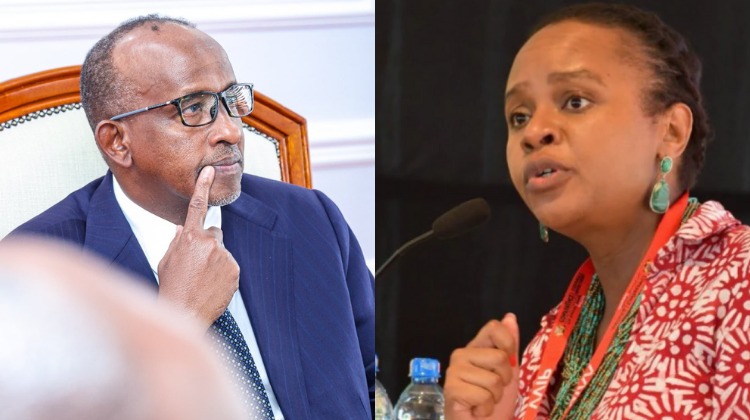
Kenya’s public health financing system is once again under scrutiny after the Office of the Auditor-General (Kenya) revealed massive irregularities amounting to nearly Sh50 billion within the government’s flagship health insurance programme run by the Social Health Authority (SHA).
According to the audit report, the irregularities were detected within the Social Health Insurance Fund (SHIF), a key component of the new health financing framework meant to replace the defunct NHIF and expand universal health coverage.
The report highlights widespread weaknesses in claims verification, payments to non-contracted facilities, and reimbursement for procedures that were never approved.
The findings paint a troubling picture of systemic loopholes that allowed billions of shillings in questionable claims to be processed and paid out, raising concerns about accountability and the sustainability of the country’s new healthcare funding system.
Auditors flagged payments to hospitals that were not officially contracted under the scheme, meaning they should not have received any reimbursements from the fund.
In several instances, facilities reportedly submitted claims for specialised medical procedures that were either not authorised or could not be verified in the system.
The report also uncovered hundreds of cases of inflated claims. In one example, auditors identified at least 227 instances where the fund overpaid claims amounting to Sh2.4 million due to weak internal controls and inadequate verification mechanisms.
Health experts warn that such irregular payments could significantly undermine public confidence in the new health insurance system, which the government has promoted as a cornerstone of its universal healthcare agenda.
The Social Health Authority was established to oversee the new national health insurance structure following reforms in the sector.
The scheme is intended to pool contributions from workers and the government to finance medical care for millions of Kenyans, particularly vulnerable populations.
However, the audit suggests that the rapid rollout of the system may have left critical oversight gaps.
The auditors observed that the authority lacked adequate systems to detect fraudulent claims, monitor service providers, and prevent abuse of pre-authorisation codes used for approving treatments.
Some facilities were reportedly reimbursed for services they were not equipped to offer, while others allegedly manipulated claims by converting outpatient services into inpatient admissions in order to receive higher payments.
The revelations add to a growing list of concerns surrounding the new health financing model.
Previous investigations have also highlighted fraudulent claims by “ghost hospitals” and irregular procurement processes linked to the system’s technology infrastructure.
Lawmakers and health sector stakeholders are now expected to scrutinise the audit findings, with calls already mounting for tougher oversight and reforms to plug the loopholes identified.
There has been mounting fears that the massive losses could jeopardise the viability of the health scheme.
The audit report recommends stricter verification of medical claims, improved monitoring of contracted health facilities, and stronger internal controls within the Social Health Authority to prevent further financial leakages.