Africa’s natural wealth under siege

For millions of people across Africa and the developing world, biodiversity loss is increasingly threatening livelihoods, food security and access to clean water, as natural ecosystems come under growing pressure.
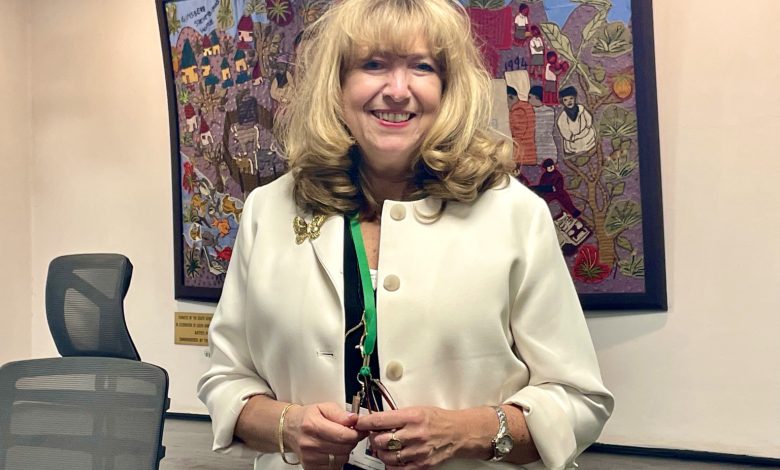
The head of the UN Convention on Biological Diversity, Astrid Schomaker, warned this week in Nairobi that the world spends 30 times more on activities that destroy nature than on protecting it.
Africa hosts about 25 per cent of the world’s biodiversity, but has lost roughly 24 per cent of its species since the pre-industrial period, according to a recent study.
Schomaker said biodiversity is essential to human survival, providing food, clean water, medicine and resilience against climate change.
“Thanks to biodiversity, we have food. Biodiversity gives us clean water. It helps us fight climate change. It makes us more resilient,” she told UN News.
She identified climate change as the biggest driver of biodiversity loss, with Africa particularly vulnerable to climate shocks. Rising temperatures, invasive species, pollution and the overexploitation of land and water are also depleting resources relied upon by rural and coastal communities.
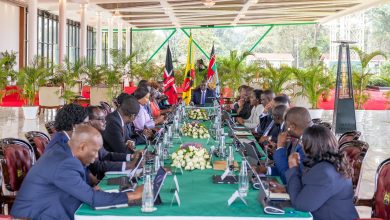
The warning comes as delegates meet in Nairobi to discuss how countries can translate scientific findings into practical measures to halt biodiversity loss.
The talks are also examining ways of integrating biodiversity into national decision-making, involving financial institutions and mobilising resources to bridge the funding gap.
Despite the grim outlook, Schomaker said there was reason for cautious optimism, noting that reports submitted by 125 countries demonstrate strong global engagement.
The Nairobi discussions will inform negotiations at COP17, the UN biodiversity conference scheduled to begin on October 19 in Yerevan, Armenia, where countries will assess progress towards the Kunming-Montreal Global Biodiversity Framework.
“That is our biggest challenge: How can we turn this around?” Schomaker said, warning that destroying biodiversity ultimately means destroying the natural foundations on which communities build their lives.