Africa stands to lose 14 million donkeys to skin trade by 2040 , global animal health agency warns
The organisation warned that Africa could lose close to 14 million donkeys in 15 years due to a trade in which the animals are slaughtered for their skins.

Africa could lose half its donkey population, which is currently less than 30 million, by 2040 due to trade in the animals’ skin according to a United Kingdom based global animal health and welfare charity, Brook Action for Working Horses and Donkeys.
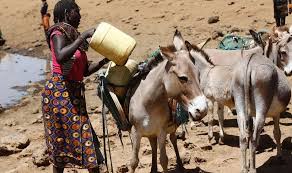
According to Brooke, millions of these animals in Africa pull carts, carry goods and work the land, earning income for families.
“The ongoing threat to donkey populations from the illegal skin trade is an urgent crisis that requires immediate action. At Brooke, we stand firm in our commitment to protect and promote the welfare of these incredible animals, who are essential to the survival of so many. We must unite to end this exploitation and secure a future where donkeys are valued and safeguarded, for generations to come,” Chris Wainwright, Global CEO of Brooke noted.
Working animals, including donkeys, are a vital asset to African communities, which are home to the world’s largest donkey populations.
The organisation warned that Africa could lose close to 14 million donkeys in 15 years due to a trade in which the animals are slaughtered for their skins.
A Brooke report reveals Africa’s donkey population could reduce from around 27 million to 14 million over the next 15 years, if a continent-wide ban on the trade isn’t enforced.
Demand for ‘ejiao’, a remedy made from donkey skin used in cosmetics and supplements, has reduced China’s donkey population, leading to huge export industries in Africa.
“The threat of African donkey populations dwindling due to this destructive trade is a very real one. We must call on governments and policymakers to enact a permanent ban of the trade and protect these animals. They deserve compassion and are a lifeline for millions of communities, and this trade has created a crisis that demands urgent, unified action,” said Raphael Kinoti, Regional Director of Brooke in East Africa.
In 2024, the African Union endorsed a continent-wide ban on the skin trade, following sustained advocacy by animal welfare organizations, and if this is maintained, the donkey population could
rise to 30 million by 2040, the charity predicts.
Brooke, a member The International Coalition of Working Equids (ICWE), says it will attend The Pan African Donkey Conference (PADCo) on 26-27 June 2025 in Abidjan Ivory Coast, to support the African Union’s ban and advocate for stronger implementation and enforcement measures.
The conference is organised by the African Union – InterAfrican Bureau for Animal Resources (AUIBAR), which encourages Africa to recognise donkeys as sentient beings who are essential to socioeconomic development.
In Machakos County, Kenya, a donkey owner named Sylvester relied on his two donkeys to fetch water as far as five kilometres away, carry farm goods to markets and cushion his family against poverty.
One night, Sylvester’s donkeys, a foal and their mother, were stolen and brutally murdered for their skins and meat for trading.
“I couldn’t believe it. My donkeys were like family, losing them felt like a betrayal.” Sylvester said.
Like Sylvester, hundreds of families in Africa lose donkeys, their lifelines, each year to the trade, eroding community cohesion and cultural heritage.
“When donkeys are stolen, it often means children carry heavy water containers themselves and end up missing school…Brooke is also calling for a global ban on the trade and campaigning to reduce consumer demand for donkey skin products, by boycotting platforms selling ejiao” said Wainwright.
In 2024, Brooke’s sister organisation, Brooke USA, delivered 370,000 petition signatures to Amazon to ban its sale of donkey skin products.