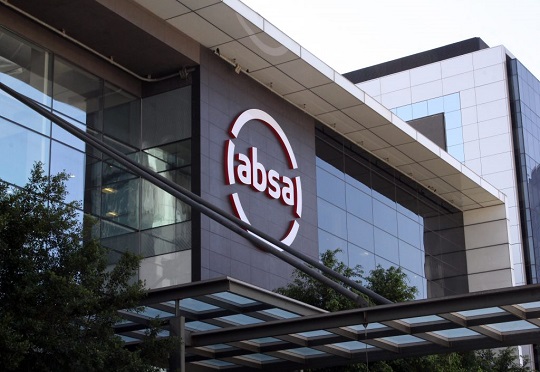
Absa Bank Kenya has posted a 9 per cent growth in profit after tax to Sh11.7 billion for the half-year ended June 30, 2025, delivering a strong return on equity of 26.5 per cent.
The performance reflects disciplined execution, prudent risk management, and agility in navigating a complex operating environment.
“Our results highlight the resilience of our operations and the relevance of our growth strategy, centred on being the primary partner for our customers,” Absa Managing Director and CEO Abdi Mohamed stated.
“We are unlocking value across both traditional and emerging revenue streams while positioning the business for long-term growth,” he added.
Revenue stood at Sh31.5 billion, a marginal 1.2 per cent dip from last year, as lower interest rates weighed on earnings.
Net interest income fell 2.9 per cent to Sh22.3 billion, while non-interest income rose 3.3 per cent to Sh9.1 billion, driven by fees, commissions, and diversified revenue streams.
Customer deposits grew 2.3 per cent to Sh361 billion, with total assets climbing 10.4 per cent to Sh532 billion. Customer assets declined 3.6 per cent to Sh305 billion, reflecting macroeconomic headwinds.
In the review period, Absa maintained market leadership in bancassurance and expanded its asset management arm to over Sh30 billion in assets under management.
It also grew remittance market share through personalized forex solutions and enhanced service delivery via digital platforms, branches, ATMs, and agency networks. Support for entrepreneurs included global trade missions to Estonia and the USA, the launch of the Absa Business Credit Card, and an expanded Shariah-compliant La Riba offering.
The Corporate and Investment Banking division executed key transactions, including advising on a SH2.5 billion rights issue and facilitating the dual listing of the Satrix MSCI World ETF.
The new Absa Custody Business added depth to Kenya’s capital markets infrastructure.
Sustainability remained central, with about Sh20 billion advanced in sustainable finance. Absa was recognized as a Top Employer for the fourth consecutive year, invested in future-skills training, and supported sports development and the creative economy.
Operational efficiency gains saw costs contained at Sh11.4 billion, a 1per cent rise, improving the cost-to-income ratio to 36 per cent.
Impairments fell 38 per cent to Sh3.2 billion, underscoring strong asset quality. Capital and liquidity ratios closed well above regulatory minimums at 20.5 per cent and 45.5 per cent, respectively.
“The strength of our capital position will support our growth and investments agenda,” the CEO added.
The Board has declared an interim dividend of Sh0.20 per share, payable on October 15 to shareholders on record as of September 19.