Bank of Baroda denies closure claims amid bank-run, mass withdrawal fears
However, the bank’s statement did not disclose any plans for restructuring or provide details of its financial position, but was focused on denying the closure claims and urging customers to disregard unverified information.

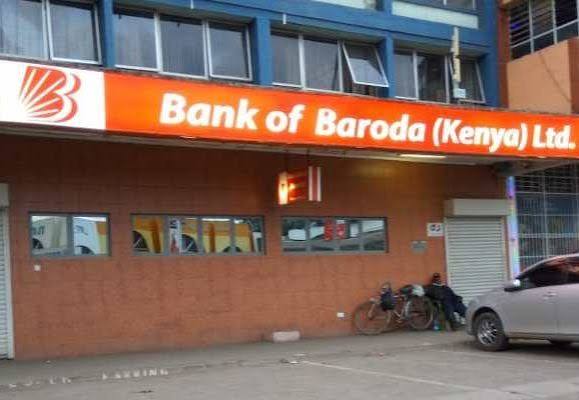
Embattled Bank of Baroda (Kenya) Limited has moved to reassure customers that it is not shutting down its Kenyan operations, following social media reports that triggered fears of a possible bank run and mass withdrawals by anxious depositors.
Through a clarification issued yesterday, Friday, September 18, the lender dismissed reports circulating online that it was preparing to close its operations in Kenya as false and misleading.
The denial comes as the bank seeks to contain concerns among customers and business partners at a time when unverified claims about its financial position and future in Kenya risk fuelling anxiety and prompting depositors to withdraw their funds.
“Bank of Baroda (Kenya) Limited wishes to clarify that reports circulating regarding the alleged closure of the Bank’s operations in Kenya are false and misleading,” the lender said.
The bank urged customers, employees, business partners and members of the public not to rely on information circulating through unverified channels.
“The Bank continues to operate normally in Kenya and remains fully committed to serving its customers and supporting businesses and households across the country,” it said.
The lender further sought to reinforce its commitment to the Kenyan market, saying it would continue supporting economic activity despite the reports.
“Bank of Baroda (Kenya) Limited remains firmly committed to the Kenyan market and continues to focus on serving its customers and supporting the country’s economic development,” the statement added.
The clarification comes amid heightened scrutiny of the bank and concerns that negative publicity could trigger a rush by depositors seeking to withdraw their money.
A sustained wave of withdrawals can place pressure on any bank’s liquidity, particularly where rumours spread rapidly and customers act on unverified claims.
However, the bank’s statement did not disclose any plans for restructuring or provide details of its financial position, but was focused on denying the closure claims and urging customers to disregard unverified information.
The lender now faces the task of restoring confidence among customers while containing the potential fallout from the reports, which could otherwise fuel further withdrawals and deepen anxiety among depositors.