Kalonzo’s Sudan mission exposes Sh3billion tea losses, RSF passport storm
When Khartoum suspended imports from Kenya in March 2025, tea worth more than $24 million (about Sh3 billion) was reportedly either in transit or awaiting shipment. Among the affected consignments were 207 forty-foot containers stranded at the Port of Mombasa.

Kenya’s diplomatic fallout with Sudan is deepening into a potentially costly crisis, with more than Sh3billion worth of tea stranded in the trade dispute while allegations of Kenyan passports being issued to individuals linked to Sudan’s Rapid Support Forces (RSF) threaten to expose Nairobi to possible international sanctions.
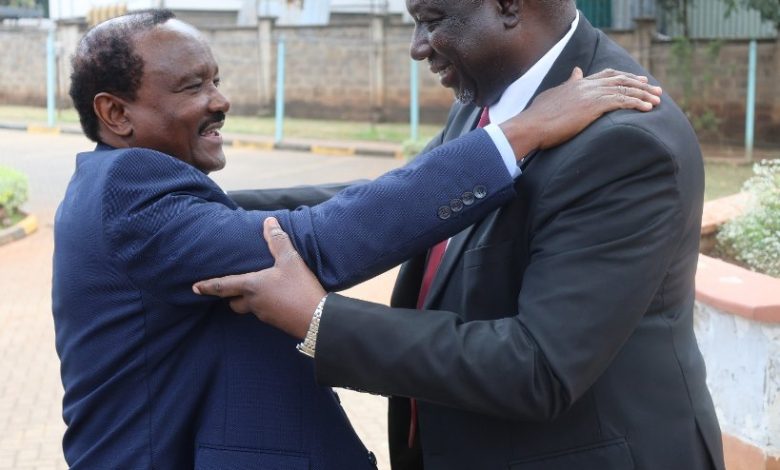
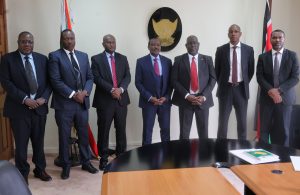
The twin crises came into sharp focus after Wiper Party leader Kalonzo Musyoka travelled to the Sudanese Embassy in Nairobi to lobby Khartoum to lift its ban on Kenyan tea imports, warning that prolonged restrictions were hurting exporters, depressing auction prices and ultimately squeezing the earnings of thousands of farmers.
Kalonzo presented a formal request to Sudanese Ambassador to Kenya Kamal Gubara seeking the reopening of the market, which previously bought about 35 million kilogrammes of Kenyan tea annually valued at approximately $70 million (about Sh9 billion).
“Restoring access to the Sudanese market would help protect livelihoods, support thousands of tea farmers, and preserve the longstanding economic ties that have benefited both our nations,” Kalonzo said.
But the scale of the damage is already substantial.
When Khartoum suspended imports from Kenya in March 2025, tea worth more than $24 million (about Sh3 billion) was reportedly either in transit or awaiting shipment. Among the affected consignments were 207 forty-foot containers stranded at the Port of Mombasa.
More than a year later, Kalonzo said, over 3.44 million kilogrammes of tea worth more than $10.3 million remains stored in Mombasa after being specially blended and branded for the Sudanese market.
“These teas cannot easily be redirected to other markets, leading to substantial losses for exporters, depressing auction prices, and ultimately reducing the earnings of Kenyan tea farmers,” he said.
The ban followed a diplomatic rupture after Nairobi hosted RSF leaders and their political allies, who announced plans to establish a parallel administration in Sudan.
Khartoum accused Kenya of meddling in its internal affairs and responded by suspending imports from Kenya.
The controversial passport row could also potentially expose Kenya to international sanctions by issuing the crucial travel documents or facilitating travel for people linked to the RSF.
The Human Rights Foundation has called for Kenya to be held accountable over allegations that it facilitated the movement of individuals linked to the paramilitary group, which has been accused of war crimes and crimes against humanity in Sudan’s devastating war with the Sudanese Armed Forces.
Among those named is Algoney Hamdan Dagalo Musa, younger brother of RSF commander Mohamed Hamdan Dagalo, alias Hemedti. Algoney has been described as an RSF procurement chief and was sanctioned by the US Treasury’s Office of Foreign Assets Control in October 2024 over allegations linked to weapons procurement for the conflict.
There are also claims that Algoney holds a Kenyan passport, alongside two Sudanese passports. The allegations have not been publicly explained by Kenyan immigration authorities.
The controversy has raised the prospect of US action against Kenyan officials, politicians, businessmen and their associates allegedly connected to the RSF network.
Despite denying the claims, Interior CS Kipchumba Murkomen, Immigration Principal Belio Kipsang and Immigration Services Director General Evelyn Cheluget have remained publicly silent over the allegations of irregular passport issuance.
The RSF and Sudanese Armed Forces have been locked in a devastating war since April 2023, with thousands killed and millions displaced.
President William Ruto’s administration has previously defended Kenya’s engagement with RSF representatives, arguing that Nairobi’s role was intended to facilitate dialogue and peace rather than endorse the paramilitary group.
Kalonzo remains hopeful that dialogue can reopen the Sudanese market and restore the economic ties that once made Khartoum one of Kenya’s most important tea buyers.