Suna East MP Junet alleges that MPs were paid to impeach Gachagua as DP
"When we were impeaching former Deputy President Rigathi Gachagua, there was some money that was moving around in Parliament. I will say the truth, there was something moving around," Junet said.

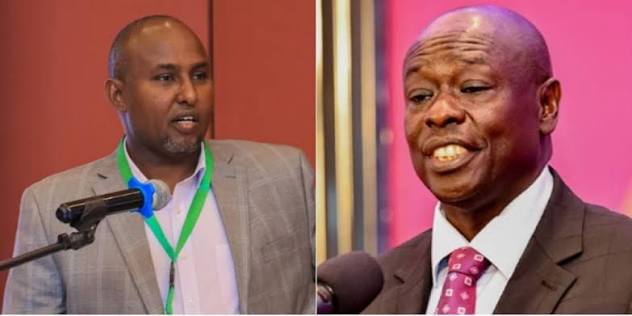
National Assembly Minority Leader Junet Mohamed has claimed that impeachment bribes flowed in parliament as payment to some Members of Parliament (MPs) during the ouster of former Deputy President Rigathi Gachagua in October 2024, alleging that cash changed hands in Parliament to influence the historic process.
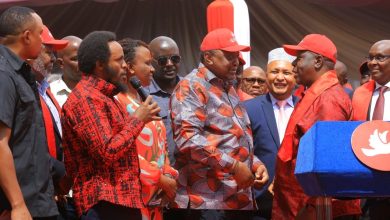
Speaking during the Orange Democratic Movement (ODM)–United Democratic Alliance (UDA) broad-based rally in Malava, Kakamega County yesterday, Sunday, July 26, 2026, the Suna East MP alleged that payments were made to lawmakers but said some had failed to make meaningful use of the money.
“When we were impeaching former Deputy President Rigathi Gachagua, there was some money that was moving around in Parliament. I will say the truth, there was something moving around,” Junet said.
In a light-hearted jab at some of his colleagues, he urged those he claimed benefited from the alleged payments to invest in development projects in their constituencies instead of spending the money in Nairobi.
“There are some people that received the money but have not constructed their homesteads. Impeachment does not come every day. If you got something from Gachagua’s impeachment, please make your homestead well,” he said.
“I have seen your homestead and the money you got from Gachagua’s impeachment is not at par. Don’t use your money with light skins in Nairobi. Spend your money at home. I have not seen the impeachment bribe working here in Bungoma. That house is not on the same level with the money you received.”
Junet, however, did not identify any of the legislators he alleged received the money, nor did he disclose the source of the alleged payments or the amounts involved.
His remarks echo earlier claims by Gachagua, who alleged that MPs were bribed to support his removal from office.
Gachagua became Kenya’s first Deputy President to be removed through impeachment after the National Assembly voted to oust him and the Senate upheld the decision following a two-day trial.
He had faced several charges, including gross violation of the Constitution, abuse of office and promoting ethnically divisive politics, accusations he consistently denied, maintaining that the impeachment was politically motivated.
Following his removal, Gachagua challenged the impeachment before the High Court, arguing that Parliament violated the Constitution and denied him a fair hearing.
In a landmark judgment delivered on June 8, 2026, a three-judge bench upheld the impeachment, ruling that both the National Assembly and the Senate had acted within their constitutional mandate and that the public participation process met the required legal threshold.
However, the court found that Gachagua’s right to a fair hearing had been violated after the Senate declined to adjourn the proceedings despite a request by his legal team.
Justice Eric Ogola held that the Senate’s decision to proceed with the hearing amounted to a violation of Gachagua’s constitutional rights, warranting compensation.
“We find that Gachagua’s rights were infringed when the Senate declined to allow an adjournment,” Justice Ogola ruled.
The court awarded Gachagua Sh50 million in constitutional damages payable by the Senate, stating that the award was intended to vindicate the constitution, restore his dignity and deter similar violations in future.
The judges, however, clarified that the finding did not invalidate the impeachment itself.
Gachagua has since moved to the Court of Appeal seeking to overturn the High Court’s decision.