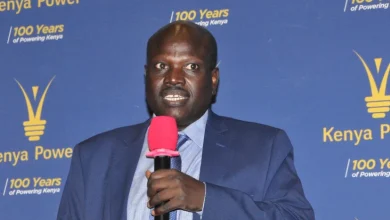
Kinyanjui seeks to make lemonade out of new 10% US tariff
CS says Kenya could benefit by positioning itself as an alternative sourcing hub for US buyers

The Government has downplayed the impact of the 10 per cent baseline tariff imposed on all exports to the United States, saying it is unlikely to ground the textile industry.
In a statement, Trade and Investment Cabinet Secretary Lee Kinyanjui noted that the tariff was lower than that imposed on other key textile-exporting competitors – Vietnam (46 per cent), Sri Lanka (44 per cent), Bangladesh (37 per cent), China (34 per cent), Pakistan (29 per cent) and India (26 per cent).
While acknowledging that imposition of the new tariff poses both challenges and opportunities, Kenya could benefit by positioning itself as an alternative sourcing hub for US buyers.
“This presents an opportunity for investment in local textile production and value addition that could attract businesses seeking to avoid higher costs from traditional suppliers,” he said.
According to Kinyanjui, there is also a great opportunity to diversify exports from the current exports, adding that Kenya can now venture into the manufacturing and processing of goods that are now more expensive from countries with higher tariffs.
“Industries such as apparel, leather and agro-processing could benefit from increased demand,” said the CS.
He also pointed out that his ministry as well as that of Foreign Affairs are already working on a plan to enhance Kenya’s exports, adding that they are also working with stakeholders to identify key products and encourage investment in targeted sectors to maximise the benefits of the US tariff shift.
However, Kinyanjui admitted that Kenya still faces a major challenge of increased costs of the country’s exports since there will be need for US supply chain adjustments such as expanding production to meet new demand.
“This will require investment in infrastructure, technology and skills development,” he said but added that the ministry is committed to managing the transition with Kenya’s best interests at heart.
Trump announced imposition of the new tariffs on Wednesday as part of his promised “Liberation Day” shift in policy targeting 180 countries.
Analysts say the new trade strategy, which Trump has referred to as “kind,” is designed to counteract foreign tariffs, trade barriers, and currency manipulation that his administration claims have placed US businesses at a disadvantage.
The reciprocal tariff is higher for countries that already had a high tariff on US goods.