Dusit D2 terror attack convicts to spend 30 years in jail
Justice Kavedza stated that the prosecution had proved that the two were linked to the January 2019 attack, which claimed 21 lives

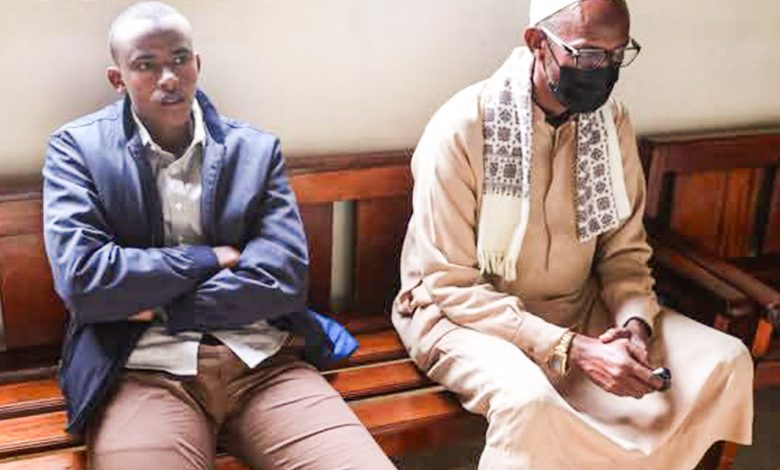
Dusit D2 terror attack convicts have been handed 30 years in jail each.
Kahawa Anti-Terror Court Judge Diana Kavedza jailed, Mohamed Abdi Ali, a 61-year-old madrassa teacher, and 22-year-old Hussein Mohamed Abdille Ali after the court previously found them guilty.
In her ruling, Justice Kavedza stated that the prosecution had proved that the two were linked to the January 2019 attack, which claimed 21 lives.
“Mohamed Abdi Ali was sentenced to 15 years for each of 14 charges of Facilitation of a Terrorist act contrary to Section 9A of the Prevention of Terrorism Act which will run concurrently, and an additional sentence of 15 years for the charge of Conspiracy to commit an offence contrary to Section 23(2) as read with 23(4) of the Prevention of Terrorism Act 2012,” the Office of the Director of Public Prosecution shared in an update.
“The court also sentenced a 22-year-old Hussein Mohamed Abdille Ali to serve 15 years’ imprisonment after he was convicted of an offence of Conspiracy to commit an offence and another 15 years for Facilitation of a Terrorist act under the Prevention of Terrorism Act. The sentence will run consecutively,” the ODPP added.
The court noted that many Kenyan families were affected by the deadly attack, detailing that some of the victims lost their jobs and businesses.
“What followed was one of the most comprehensive counter terrorism investigations in Kenya’s history, as law enforcement agencies pursued not only the attackers’ immediate associates but also financiers, facilitators, and logistical coordinators who enabled the attack,” Kavedza ruled.
She took into account the impact statements that were given by families of those who lost their loved ones.
In one of the instances, American national Joseph Spindler narrated how his family was impacted after losing his son during the terror attack.
“I’m not here for revenge but for justice. Under Kenyan law, those who collaborated with terrorists must face the full weight of justice. Jason was a survivor, a doer, and a visionary. He deserved a future, not a grave marked by the shrapnel from a terrorist’s suicide vest,” he noted.