A pair of safe hands, why ODM NGC approved Oburu’s appointment as party leader

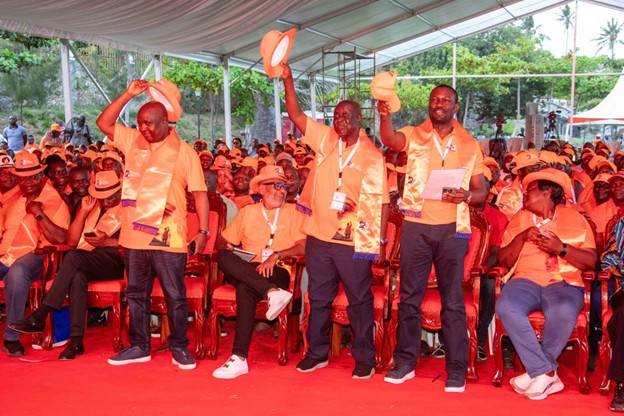
Despite the intensifying internal political wrangling and widening wedge of ideological differences from within, the Orange Democratic Movement (ODM) has opted for continuity by confirming Siaya Senator Oburu Oginga as party leader easing the succession dilemma it faced following the death of its founding leader Raila Odinga.
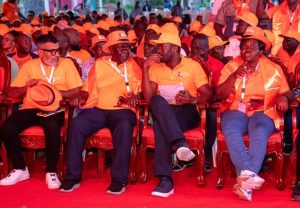
The decision was made during a meeting of the party’s National Governing Council held in Mombasa on Thursday.
Since he took over as interim leader last month, Oburu has won admiration over the manner he has steadily navigated the party through the troubling period, including reaching out to the Young Turks who were either being threatened with expulsion or were mulling quitting ODM.
They include Secretary General Edwin Sifuna and Embakasi East MP Babu Owino.
“I want to really give it to Oburu Odinga, because people never expected that he would actually, you know, show some level of leadership. I saw him call Babu, you know; I saw him call Sifuna. You know, I have seen him calling people of dissenting voices and saying, no, we are not just in the broad-based government, we will make a decision later,” Saboti MP Caleb Amisi, another critic of the broad-based government, said during a recent radio talk show.
With ratification of his appointment by the National Delegates Conference (NDC) all but assured, it puts the party in a strong position to chart its future in unity.
The NDC will be expected to make a decision on whether ODM will continue with its partnership with President William Ruto’s United Democratic Alliance (UDA) beyond the 2027 elections, join another formation or field its own presidential candidate.
Recently, Oburu said that if ODM will enter into a deal with UDA, then it must get nothing less than the Deputy President’s slot.
ODM’s continued relationship with Ruto will also be hinged on implementation of the 10-point agenda agreed between the two parties.
In August, Ruto and Raila formed a committee on implementation of the 10-point agenda, which is chaired by former ODM Nominated Senator Gladys Zani, was supposed to make periodic progress reports to the two principals but with Raila’s death, the onus is now on Ruto to ensure the pact is actualised.
The team, which has Fatuma Ibrahim, Kevin Kiarie, Gabriel Oguda, and Javas Bigambo as members, was tasked to undertake inclusive and extensive consultations with members of the public and all relevant stakeholders and deliver its final report by March 7 next year, the first anniversary of the MoU.
It is fully funded and facilitated by ODM and UDA with Secretaries General Edwin Sifuna and Hassan Omar heading a joint secretariat formed to support its activities.
Following Raila’s death, ODM leaders have challenged President Ruto to ensure the agreement is fully implemented.
The agenda includes full implementation of the National Dialogue Committee (NADCO) Report; inclusivity in public life; protection and strengthening of devolution; safeguarding youth livelihoods; and promoting leadership and integrity.
Other items are ensuring the right to peaceful assembly; addressing the national debt; fighting corruption; preventing wastage of public resources; and protecting and promoting sovereignty of the people, rule of law, and constitutionalism.
Some of the specific issues covered in the 10-point agenda include economic investment in the youth; right to peaceful assembly and compensation for victims and a stop to abductions.