Security scare: 54 illegal aliens seized in trafficking Ring

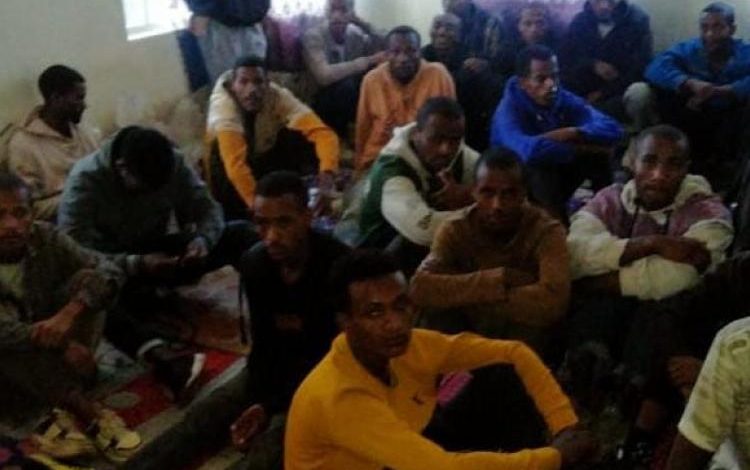
Kenya’s national security could be under threat from illegal immigrants and human trafficking syndicates after lowering the guard by scrapping the mandatory vetting exercise for those seeking Kenyan documents after 54 aliens were seized at the Kibish boarder in Turkana County while attempting to cross into Kenya.
At least 44 Ethiopians and Eritreans arrested and detained at the Kibish border in Turkana after abortive attempt to gain entry into Kenya while the police separately intercepted ten Somalis in Kanduyi, Bungoma County, who were being transported in a salon car from Uganda.
The group reportedly told police they were headed to Eldoret and had come from a refugee camp in Uganda.
In February this year, President William Ruto issued a proclamation ending the practice of vetting during the issuance of identification documents in all border counties, including the porous Northern Kenya region bordering Somalia as part of a broader effort to guarantee equal access to national identification for all Kenyans.
The move, welcomed by some and criticised by others, marked a new era for communities that had long felt discriminated against due to the extra checks required to obtain this vital document.
Effectively, Ruto scrapped a 60-year-old vetting requirement that mandated residents of northern Kenya, near the Somalia border, to appear before a special security panel for questioning to verify their Kenyan nationality before being issued a national identification card.
Ruto signed the Executive Order during a tour of the northern region, calling the vetting practice unjust.
He told a gathering that the process deprived Kenyans of minority tribes living near the Kenya-Somalia border of their rights.
“We want the people of northern Kenya to feel equal to the rest of the country,” Ruto said during the signing of the order in Wajir county.
The president added that his Kenya Kwanza government is determined to end discrimination against Kenyan Somalis when seeking IDs.
“All Kenyan children are equal. No Kenyan is greater than another,” Ruto said.
However, fears are rife even from locals that underserving individuals including criminal elements allied to the Al Qaeda linked Al Shabaab militants could get the vital documents including rights to vote in 2027 general elections.
In the first incident at Kibish, police said the Ethiopians and Eritreans had already crossed the border and were found sitting in a bushy area in Kaguta on Tuesday.
They were reportedly waiting for traffickers to move them further into Kenya. According to police, officers had to call for reinforcement to contain and detain the group.
Ethiopian authorities have since been contacted to assist in repatriating the migrants. The group spent the night at the Kibish Police Station under heavy guard ahead of the planned handover.
Police said traffickers on the Ethiopian side were coordinating the movement, with plans to transport the group to Eldoret and later Tanzania.
The migrants told officers they were headed to South Africa in search of greener pastures. Some could not communicate in English or Swahili, police noted.
In Kanduyi, police arrested ten Somalis and the driver of the salon car they were being trafficked in.
They had no identification documents and claimed to be from a refugee camp in Uganda. They also said they were headed to Eldoret.
The group is being held pending processing. Authorities said Somalis are often flown from Mogadishu to Entebbe before being smuggled into Kenya for further transit.
Police say such human smuggling cases have been on the rise despite ongoing efforts to curb the practice.
This is the latest in a series of incidents involving Ethiopians and Eritreans intercepted in Kenya while in transit. Police said many migrants use the Moyale route as they attempt perilous journeys to South Africa or the Middle East.
Tens of migrants are arrested annually across the country as they wait to be moved to their next destination.
Police and immigration officials have raised concerns over the growing trend, with the Transnational Organised Crime Unit conducting joint operations to combat smuggling networks. Most of those arrested are seeking employment or trying to reach other countries via Kenya.