Silencing Dissent: What Wamatangi’s treatment during yesterday’s burial in Kikuyu signals about Kenya’s politics
More importantly, this public sidelining diminishes the office of the governor. Wamatangi was not just a guest; he was the constitutional head of the host county. Denying him a chance to address mourners was, symbolically, an act of disrespect to the very people of Kiambu he represents. It sets a worrying precedent where personal and factional differences override institutional respect

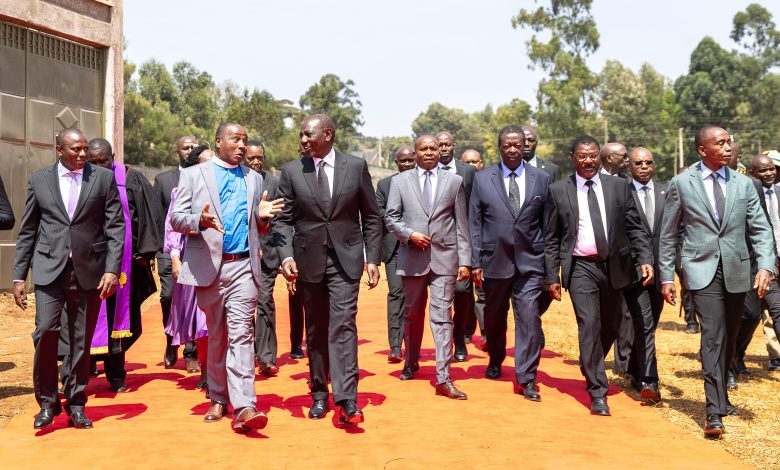
The spectacle that played out yesterday in Gikambura in Kikuyu constituency, Kiambu county during the burial ceremony of National Assembly Majority Leader Kimani Ichung’wah’s father, Isaac Ichung’wah Ngugi who passed away peacefully at the age of 105 was more than just a breach of funeral protocol.
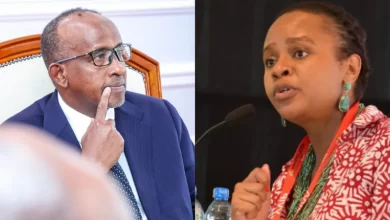
Kiambu Governor Kimani Wamatangi, the county’s highest elected leader, was denied the opportunity to speak an act that left tongues wagging and sent a clear political message.
In a society where funerals have become stages for political theatre, who speaks and who remains silent often reveals more about power dynamics than about mourning the dead.
Wamatangi’s silencing was not accidental; it was a deliberate expression of simmering political rifts within Kiambu and between competing factions in Mount Kenya politics.
The incident underscores two troubling realities. First, our leaders seem incapable of separating grief from politics. Even in moments of collective loss, the instinct is to weaponise public gatherings for political posturing, exclusion, and humiliation.
Second, it exposes how political differences are being managed not through dialogue or mutual respect, but through open displays of dominance a “show of force” in front of the very electorate that both sides claim to serve.
What makes this case striking is that it involves senior leaders from the same political coalition. Wamatangi and Ichung’wah are both aligned with President William Ruto’s administration under the United Democratic Alliance (UDA) party, yet factionalism and turf wars have trumped unity. If allies within the same camp cannot tolerate giving each other a voice at such solemn moments, what hope is there for the broader national discourse?
More importantly, this public sidelining diminishes the office of the governor. Wamatangi was not just a guest; he was the constitutional head of the host county. Denying him a chance to address mourners was, symbolically, an act of disrespect to the very people of Kiambu he represents. It sets a worrying precedent where personal and factional differences override institutional respect.
Kenya’s political class must ask itself whether this is the leadership style citizens deserve. At a time when the country faces economic hardship, corruption scandals, and public discontent, our leaders should be building bridges, not burning them in public spectacles. Political rivalry is natural in a democracy, but when it manifests as humiliation at funerals, it only deepens the cynicism of an already disillusioned electorate.
The lesson here is simple: respect is not about liking one another but about upholding institutions and putting the people first. If our leaders cannot rise above petty rivalries even in moments of mourning, then Kenyans must rise above them at the ballot box.