IJM boss calls for end to police impunity on ‘Day of Delayed Justice Forum’
The Day of Delayed Justice was established to commemorate victims of state violence and advocate for timely and fair trials

The International Justice Mission (IJM) has raised alarm over rampant police impunity and persistent delays in justice for victims of extrajudicial killings and enforced disappearances in Kenya.
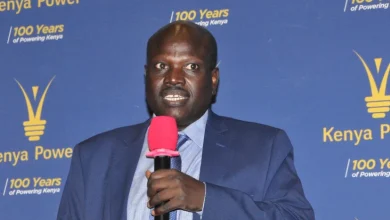
Speaking at the Day of Delayed Justice forum hosted by Missing Voices partners at Pan Pacific Serviced Suites in Nairobi, IJM Kenya Country Director Vincent Chahale decried the rising number of unresolved police abuse cases, saying the justice system continues to fail victims and their families.
“This day compels each one of us to confront the unacceptable delays in cases and the painful reality of increasing abuses by law enforcement,” said Chahale. “Behind every delayed case lies a grieving family, a silenced voice, and a broken promise.”
The Day of Delayed Justice was established to commemorate victims of state violence and advocate for timely and fair trials.
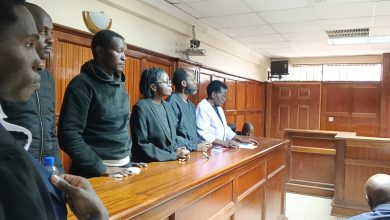
It was inspired by the 2016 Mavoko 3 tragedy, when human rights lawyer Willie Kimani, his client Josephat Mwenda, and taxi driver Joseph Muiruri were brutally murdered by police officers.
Their case, though high-profile, took nearly seven years to reach a verdict.
Chahale said that while the Mavoko 3 case exposed systemic rot in Kenya’s criminal justice system, similar injustices continue to occur unchecked.
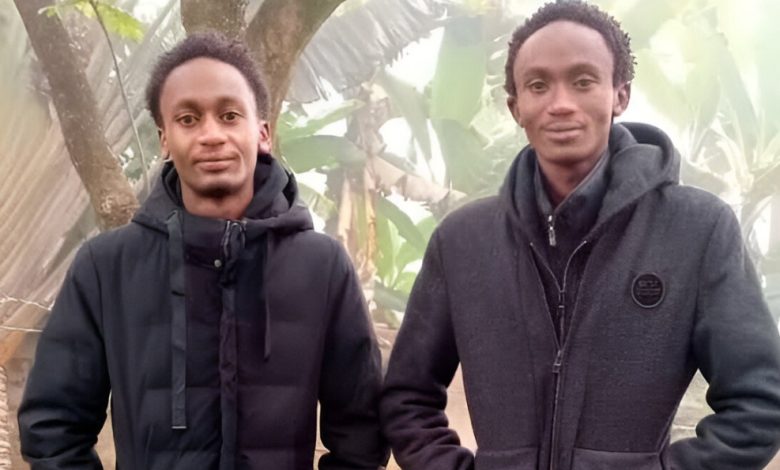
Among the slow-moving cases he cited were the deaths of the Kianjokoma brothers, the Mukuru 8, Baby Pendo, and dozens of others.
“Delays not only hinder justice but also perpetuate a culture of impunity,” he added, warning that police cover-ups are often deliberate attempts to erase the truth.
Article 48 of the Constitution of Kenya guarantees all citizens access to justice.
However, Chahale noted that in practice, this promise often falls short, particularly for the poor, vulnerable, and victims of police brutality.
During the event, human rights partners launched a documentary chronicling the case of Moses Wanyoike, a young man killed by a police officer who allegedly tried to cover up the crime.
The documentary serves as a stark reminder of the urgent need for systemic reforms.
Chahale also addressed more recent incidents, including the death of Albert Ojwang—who died in police custody—and the killing of nearly 60 young Kenyans during the 2024 Gen Z protests.
He noted that no meaningful action has yet been taken against the perpetrators of these killings.
“These are not just statistics,” he said. “They are sons and daughters, brothers and sisters whose deaths demand not only justice, but timely and fair justice.”
Chahale called for increased collaboration among the judiciary, the Office of the Director of Public Prosecutions, the National Police Service, and civil society to ensure cases of police abuse are fast-tracked and prosecuted without delay.
“Let June 23rd be more than a day of remembrance,” he urged. “Let it be a day of reckoning, a day when we declare: no more delays, no more cover-ups, and no more impunity.”
He concluded by urging the country to build a justice system that serves not just the powerful, but all Kenyans, including the families of Baby Pendo, Albert Ojwang, and many others whose lives were unjustly taken.