Alcoblow: Breathlysers set to return to the roads as Chirchir proposes new rules
CS had hinted at the reintroduction of the gadgets due to increased in drink-driving cases while visiting victims of a grisly road accident in Sotik in April

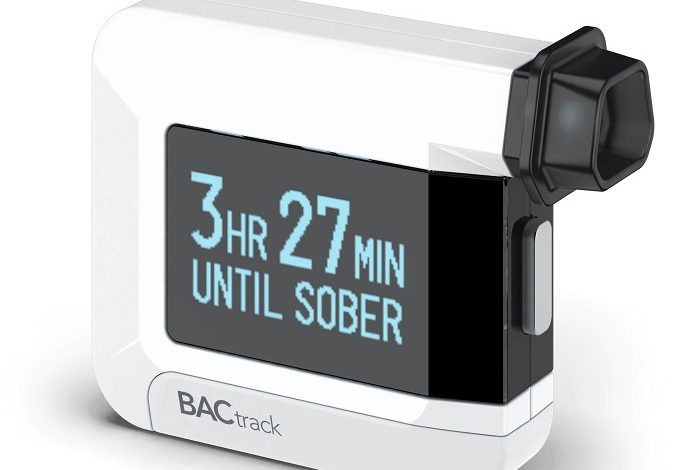
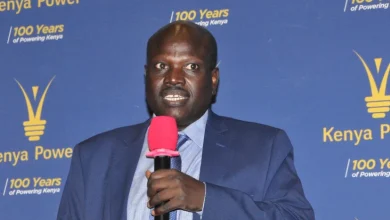
Roads and Transport Cabinet Secretary Davis Chirchir has proposed new rules that, if endorsed, will see the return of alcohol testing of drivers using breathlysers on Kenyan roads.
The proposed Traffic (Drink Driving) Rules, 2025, seek to strengthen the legal and enforcement framework for preventing and penalising driving under the influence of alcohol.
They will specifically prescribe legal alcohol limits for drivers; prohibit operation of motor vehicles while intoxicated beyond the prescribed limits; provide for alcohol testing using approved breathalysers, blood and urine samples; and outline the procedure for conducting tests and handling specimens.
The rules will also define the consequences of refusing to provide specimens when requested by law enforcement; establish rules for the admissibility of test results in court; and provide a graduated penalty regime for repeat offenders including suspension and revocation of driving licences.
The CS says the objective objective is to strengthen the legal and enforcement framework for preventing and penalising driving under the influence of alcohol.
Chirchir had hinted at the reintroduction of breathalysers due to increased in drink-driving cases while visiting victims of a grisly road accident in Sotik in April.
“We currently facing a serious problem of indiscipline on our roads, and to ensure discipline and sanity, we seek to reintroduce breathalysers so that we can curb cases of accidents that are caused by human error,” he said, adding that at least 1,000 breathalysers will be deployed to various parts of the country once the National Transport and Safety Authority (NTSA) formulates the rules.
The Court of Appeal had banned the use of the gadgets by police to nab drunk drivers last year, saying it was illegal.
In a Kenya Gazette notice, Chirchir has also proposed to introduce mandatory inspection for motor vehicles over four years old and all commercial, school and public service vehicles and provide for pre-registration, post-accident and change-of-particulars inspections.
The proposed Traffic (Motor Vehicle Inspection) Rules, 2025 will further classify and regulate salvage vehicles including their inspection and re-registration procedures; establish the standards and processes for issuing inspection stickers; provide for licensing and regulation of private vehicle testing centres and inspectors; and
introduce penalties and enforcement mechanisms for non-compliance with inspection requirements.
“The main objective of the proposed Rules is to provide structured legal framework for the inspection of motor vehicles aimed at promoting roadworthiness, reducing emissions and enhancing the overall safety of road transport,” the CS says.
At the same time, he has proposed the Traffic (School Transport) Rules, 2025, which, if approved, will establish a licensing framework for school transport providers and vehicles; prescribe minimum safety standards and vehicle requirements including seat belts, fire extinguishers and telematics systems; define qualification standards for school drivers and attendants; and regulate the conduct and responsibilities of drivers, attendants and crossing guards.
The proposed rules will also outline operational protocols including designated hours of operations and boarding procedures; prohibit the use of school transport vehicles for unauthorised private purposes without a temporary licence; prescribe standards for signage, colour coding and marking of school vehicles; and introduce offences and penalties for non-compliance alongside an appeal mechanism.
Also proposed are regulations for the operation of commercial vehicles.