Legislators raise alarm over rise in GBV and SGBV cases
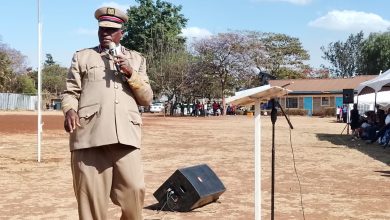
Tongoyo reported that between April and July alone, Kericho recorded two cases of femicide, nine cases of rape, three cases of gang rape, two cases of sexual assault, and 77 cases of child defilement

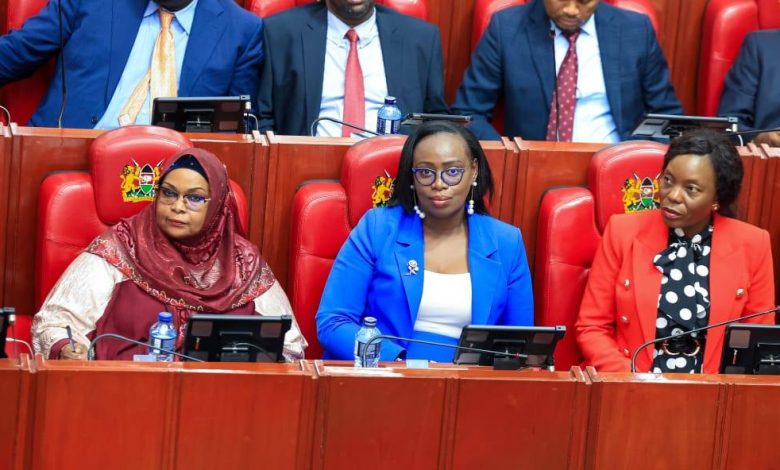
Members of the National Assembly have strongly condemned the alarming rise in Gender-Based Violence (GBV) and Sexual Gender-Based Violence (SGBV) across the country.
The debate was sparked by a response from the chairperson of the Committee on Administration and Internal Security Gabriel Tongoyo to a question raised by Kericho Woman Representative Beatrice Kemei, on the state of femicide and GBV in Kericho County.
Tongoyo reported that between April and July alone, Kericho recorded two cases of femicide, nine cases of rape, three cases of gang rape, two cases of sexual assault, and 77 cases of child defilement.
“This is a serious problem in our society. In less than 10 months, Kericho alone has recorded over 100 GBV cases. These numbers are not unique to Kericho; they can be replicated in many other counties,” Tongoyo said.
The statistics triggered a debate in the House, with Kemei appealing to her male counterparts to support women legislators in addressing GBV in the country.
“If we do not get support from our male counterparts, we will not go far in this fight. SGBV affects everyone in one way or another,” she said.
She further criticized the slow pace of justice, citing prolonged court cases and laxity by police and other authorities as key factors fueling the rise in cases.
Speaker of the National Assembly Moses Wetang’ula described the numbers as “alarming” and condemned the perpetrators in strong terms.
“Men who prey on women and children are cowards. Those who target children are beasts who should not be allowed in society. If you have a liking for girls in uniform, buy your wife the uniform and admire her wearing it, leave our children alone,” the Speaker stated.
Wetang’ula urged the Legislators to develop laws imposing harsher penalties on GBV offenders, citing that offenders often “get away with a mere slap on the wrist”, noting that the menace must be eradicated completely.
On her part, Teso South MP Mary Emaase called for increased funding for advocacy purposes in order to fully support the fight against GBV, noting that current allocations only benefit counties with women representatives.
Samburu West MP Lesuuda Naisula cited the need for a multi-agency approach, agitated for grassroots sensitization and community involvement in the fight.
“It must be a collective responsibility for everyone in society to protect women and girls,” she said.