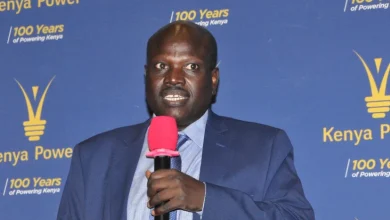
Water and Irrigation Cabinet Secretary Eugene Wamalwa will today morning appear before the Adan Noor led National Assembly committee on Agriculture, Livestock and Co-operatives over the controversial tender award for the construction of Thwake Multipurpose Dam in Makueni.
Wamalwa’s grilling comes amid heightened internal wrangling between ministry top officials and the Principal Secretary, State Department of Irrigation Patrick Nduati Mwangi over the award.
The intense disagreements are likely to have the project stalled over contested Sh62.3billion tender award after the tender evaluation committee overruled directions from the PS to award a firm, which came second in the evaluation process.
Investigations by The Informer established China Gezhouba Construction Group Corporation was rated as the most qualified lowest bidder but the PS is said to have overruled the decision.
Instead, highly placed sources at the ministry revealed Nduati formed the already defunct Ministerial Tender Committee (MTC) to reevaluate the tender award.
“The lowest bidder quoted Sh36billion while the preferred firm quoted Sh39billion for initial construction phase. Currently, a Ministerial Tender Committee has been constituted to reevaluate the bids. MTC’s are illegal under the current procurement laws.” A senior ministry official intimated.
The damning revelations of possible procurement irregularities and underhand dealings in the award of the lucrative tender comes barely a fortnight after senior advisor to Nduati, Bob Kevin Mutava died in suspected case of poisoning.
The deceased visited an entertainment joint in Nairobi South area in company of his friend where he started vomiting after having a few drinks.
Thereafter, he was taken home but the mother rushed him to Mariakani Cottage Hospital where he died.
Already, the National Assembly has raised queries of the controversial tender amid allegations of manipulation of the tender evaluation process.
The project is being financed jointly by the Kenyan government and the African Development Bank (AfDB).
Controversy has also dogged the National Land Commission over compensation process of those displaced to pave way for the construction of the dam in Makueni County.
Majority of those compensated a total of Sh2.8billion are said to be undeserving since they were not captured in the original list issued by the Tanathi Water Services Board.
Original land occupants were to be given Sh180, 000 per acre