Controversy hits NIA-Sukari Limited 50,000-acre project in Bura, Tana River County

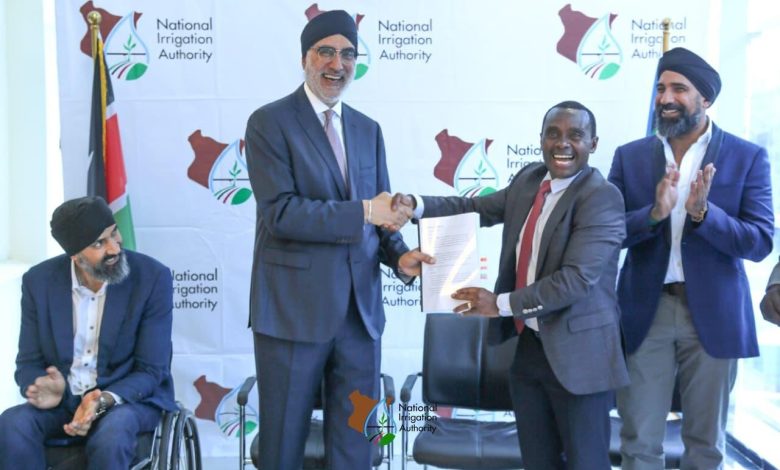
The recently signed commercial and lease agreement for 50,000 acres in the Bura Irrigation Scheme in Tana River County between the National Irrigation Authority (NIA) and Sukari Industries Limited could be plunged into headwinds after questions on transparency of the process and gaps in local community involvement has in one of the country’s largest private-sector sugar projects.
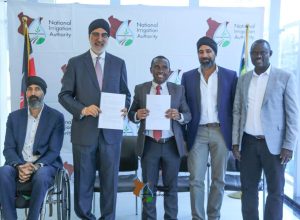
The was agreement signed on March 27, 2026 by NIA Chief Executive Officer Eng. Charles Muasya, MBS, alongside Sukari Industries’ Tejueer S. Rai, with Onkar S. Rai serving as witness, covering Lot No. B2 within the scheme at NIA head office in Nairobi.
“This process is shrouded in secrecy and major procedural gaps including local community involvement
Under the agreement, the investor will develop infrastructure, grow sugarcane, engage in value addition, and establish other essential support facilities on the 50,000-acre leased land.
Kenya currently consumes approximately 1.2 million metric tonnes of sugar annually but produces only between 600,000 and 700,000 metric tonnes, necessitating significant imports that strain the country’s foreign exchange reserves.
The project is expected to help close this production gap using modern technology and precision agriculture, with potential expansion in the future.
However, the deal has drawn scrutiny from some insiders who question the transparency of the leasing process and the apparent limited involvement of the local community in the decision-making process.
Critics argue that meaningful engagement of local residents is crucial given the scale of the project and its potential socio-economic impact.
Under the company’s Corporate Social Responsibility (CSR) plan, Sukari Industries has committed to building schools, drilling boreholes, and constructing health facilities in the surrounding communities.
The company will also employ local labor and provide knowledge transfer on sugarcane farming, a move aimed at fostering sustainable development and community empowerment.
Speaking during the signing, Eng. Muasya pledged full support to the investor, including ensuring the provision of irrigation water and other necessary infrastructure.
“We urge the investor to progressively crop the entire farm within the next three years as stipulated in the agreement to help reduce the sugar production gap in Kenya,” he said.
The Bura Irrigation Scheme project represents a major private-sector intervention in Kenya’s sugar industry, promising to increase domestic production, create employment opportunities, and deliver social benefits.
Yet the conversation around transparency and community participation underscores the importance of balancing industrial development with inclusive governance in large-scale agricultural projects.