Auditor General unable to trace youth beneficiaries of Sh83.2 million business loans
The audit report noted that although the intention of launching the programme was good, the intended objective of increasing earning opportunities for the youth was not optimally achieved


At least half of the youth beneficiaries of Ksh 83.2 million disbursed to assist them start businesses under the Kenya Youth Employment and Opportunity Project (KYEOP) cannot be traced.
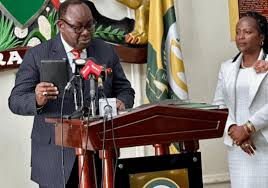
The Controller and Auditor General, Nancy Gathungu, said the beneficiaries of the funds that were disbursed to address challenges of youth unemployment could not be traced or the people who received it reached through their mobile phones.
“Half of the sampled youths could not be reached because they were either unreachable on phone to give directions to their premises or non-cooperative by failing to give an audience to the Audit Team,” Gathungu said.
According to the special audit report released on February 20, nearly half of the youths who had received business start-up funds to enable them create jobs in the country could not be traced or direction of the project.
Gathungu disclosed that the implementation of the support for job creation component, under the Kenya Youth employment and support, raised doubts as to whether their businesses were up and running or they were existing beneficiaries.
The audit report noted that although the intention of launching the programme was good, the intended objective of increasing earning opportunities for the youth was not optimally achieved.
Part of the reason why creating opportunities for the youth was not optimally achieved was due to state blunders, which included unworthy businesses funded, releasing billions without due diligence, and diversion of funds meant to fund businesses to non-related uses.
The audit observed that a number of youths who received the funds did not start businesses while others started but wound up their businesses due to the harsh business environment.
The report said the KYEOP was successful in achieving the targeted 97 per cent of the youths in the program and had numerous benefits that included the creation and expansion of small businesses, transfer of entrepreneurship skills to youths and increased earnings for the hard-to-serve-youths.
Recommendations
Gathungu recommended that the state department for youth affairs, micro, and small enterprises authority put in place measures to ensure effective orientation of beneficiaries of the funds in order to grow the business and benefit others in Kenya.
She said the move would enable youths to understand the project objectives and their role and responsibilities in running their business. The orientation will also help in screening and leaving out youths who may not be serious in running businesses.
The AG urged the Government to consider a percentage of the funding to be repayable and form a revolving fund for other beneficiaries in the future, and remove the notion of free money. By this, the beneficiaries will be more accountable.
The reeport further discloses that for the project to be sustainable and scalable there is a need to ensure that similar interventions are implemented.
Other raft of measures include putting in place measures to ensure continuous mentorship of the project beneficiaries and putting in place measures to ensure regular monitoring and evaluation of the projects being implemented by the beneficiaries to ensure that they achieve their objectives.
The report recommends that field officers be engaged to ensure proper coordination and resource planning at the head office for the effective implementation of projects and for continuous supervision, monitoring, and evaluation.
The KYEOP is one of the projects that Kenya was implementing in collaboration with the World Bank to help alleviate unemployment of the youth population in Kenya that is estimated to reach 13 million. The project was launched on May 16, 2016 and was expected to end in December 2023 but was revised to August 2023.
Until the project lapsed, a total of Ksh 15 billion had been pumped into KYEOP, Ksh 5.8 billion being taxpayers money and Ksh 9.2 billion being loans from the World Bank.