Kenya Pipeline privatisation gets Cabinet’s nod
The move is part of a policy shift by the government to reduce direct involvement in commercial enterprises and instead let private players take the lead

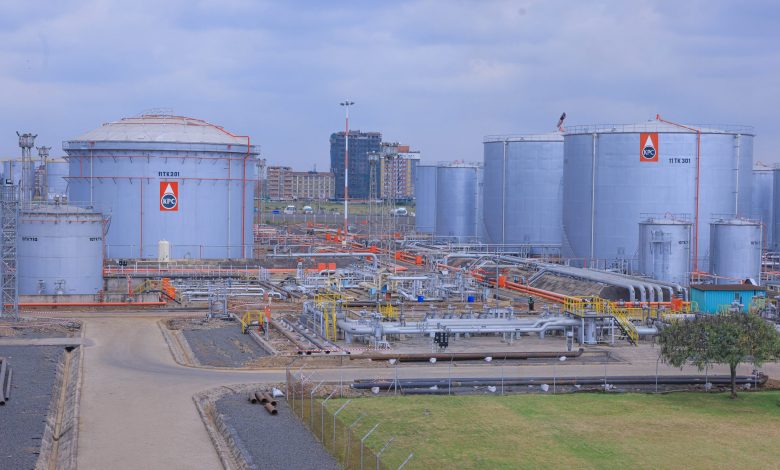
The Cabinet has approved plans to privatise the Kenya Pipeline Company (KPC), days after President William Ruto said it would be listed at the Nairobi Stock Exchange (NSE) in September.
A Cabinet media brief issued after a meeting at State House, Nairobi on Tuesday, which was chaired by President Ruto, indicated that the move will now pave the way to democratise ownership of the company and unlock its commercial potential.
“The Cabinet gave the green light for the reinstatement of Kenya Pipeline Company (KPC) into the privatisation programme, paving the way for partial divestiture of government shares in a move aimed at democratising ownership by Kenyans at the Nairobi Securities Exchange and unlocking the company’s full commercial potential,” the media brief read in part.
The move is part of a policy shift by the government to reduce direct involvement in commercial enterprises and instead let private players take the lead.
“The decision reflects the government’s policy shift toward reducing its role in doing business and instead enabling the private sector and industry experts to drive growth, efficiency, and innovation,” it added.
According to the Cabinet, although KPC is profitable, it is yet to achieve its full market potential due to management challenges in the public sector.
It added that professional expertise will inject energy into the company and modernize its privatization.
“KPC, a strategic player in Kenya’s energy supply chain, has maintained a strong profitability record and holds significant asset value. However, the Cabinet noted that the company has not yet reached its optimum performance and market value, largely due to bureaucratic constraints and public sector inefficiencies. Bringing in private capital and professional expertise is expected to inject new energy into the company, modernise operations, and position KPC as a regional logistics and energy powerhouse,” the media brief pointed out.
It also pointed out cases where privatisation improved the performance of state-owned enterprises.
“Cabinet was reminded that similar moves in the past have yielded transformative results. Safaricom, Kenya Commercial Bank, and KenGen are prime examples of formerly State-controlled entities that became high-performing companies following privatization, driving shareholder value, expanding regionally, and creating thousands of jobs. The divestiture of KPC is expected to follow this path, boosting investor confidence and supporting the development of Kenya’s capital markets,” they explained.
Established in 1973, KPC began its commercial operations in 1978 and has been operating under the Ministry of Energy and is largely owned by the National Treasury, which holds approximately 99.9 per cent of the company’s shares.
The ministry of Petroleum and Mining holds the remaining 0.1 per cent.
The company is responsible for transporting refined petroleum products across the country through a pipeline network that stretches from Mombasa to cities such as Nairobi, Nakuru, Kisumu, and Eldoret.