Damning EAC audit reveal UoN, Moi University fail medical training standards
The audit paints a broader picture of systemic challenges affecting medical education in Kenya, including over-enrolment of students beyond approved capacity, insufficient numbers of qualified lecturers, and inadequate facilities for hands-on clinical training. Inspectors also raised concerns over safety in some institutions, noting that lectures were being conducted in incomplete buildings and overstretched facilities.


Two of Kenya’s most established medical training institutions—the University of Nairobi and Moi University—have failed to meet required standards for training doctors and dentists, the report, The 3rd Joint EAC Inspection of New and Existing Medical and Dental Schools audit report shows.
The audit is now expected to trigger a major review of medical education quality in the country.
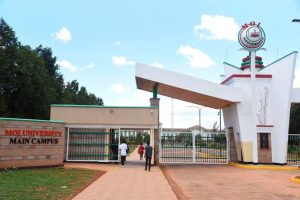
The regional assessment of 13 medical and dental training institutions found that while a small number of universities met full compliance thresholds, both the University of Nairobi and Moi University fell below the benchmark required to adequately host medical training programmes.
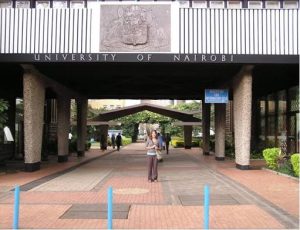
The University of Nairobi School of Medicine scored 58 per cent, while Moi University School of Medicine recorded 61 per cent—both classified as only partially compliant and falling short of the standards set for producing qualified medical professionals.
The findings are particularly significant given the historical standing of the two institutions, which have long been regarded as Kenya’s flagship centres for medical education and training.
Their performance in the audit now raises questions about the adequacy of infrastructure, staffing levels, and clinical training capacity in some of the country’s oldest medical schools.
According to the EAC report, institutions were assessed on a range of indicators including staffing adequacy, teaching facilities, student-to-faculty ratios, infrastructure quality, and availability of clinical training opportunities.
The audit found widespread gaps across several universities, but the shortcomings at the University of Nairobi and Moi University stood out due to their status and scale.
In the case of the University of Nairobi, inspectors noted deficiencies in key areas of training support, with its School of Dental Sciences also scoring below optimal levels at 68 per cent. Moi University’s School of Dentistry fared worse, scoring 54 per cent, reinforcing concerns about consistency in training standards across faculties.
The report found that only three institutions out of the 13 inspected met full compliance requirements notably Maseno University School of Medicine, Mount Kenya University School of Medicine, and Kisii University School of Health Sciences.
Mount Kenya University led with a score of 82 per cent, followed closely by Maseno University at 81 per cent and Kisii University at 80 per cent respectively.
The trio varsities, MKU, Maseno and Kisii universities were applauded for maintaining acceptable staffing levels, adequate infrastructure, and structured clinical training programmes
In contrast, the majority of institutions were classified as partially compliant, including Jomo Kenyatta University of Agriculture and Technology (JKUAT), Kenyatta University, Egerton University, Kenya Methodist University, and Masinde Muliro University of Science and Technology.
| Institutions found compliant | |
| University | Approval Ratings |
| Mount Kenya School of Medicine | 82% |
| Maseno University School of Medicine | 81% |
| Kisii University of Health Sciences | 80% |
| Partially compliant institutions | |
| JKUAT School of Medicine | 66% |
| Moi University School of Medicine | 61% |
| Kenya Methodist University School of Medicine | 59% |
| University of Nairobi School of Medicine | 58% |
| Kenyatta University School of Medicine | 54% |
| Moi University School of Dentistry | 54% |
| Egerton University Faculty of Health Sciences | 54% |
| Masinde Muliro University School of Medicine | 53% |
| University of Nairobi School of Dental Sciences | 68% |
| Non-compliant institutions | |
| Uzima University College Medical School | 49% |
Caption: The 3rd Joint EAC Inspection of New and Existing Medical and Dental Schools audit report approval and compliance findings.
Uzima University College Medical School was the only institution classified as non-compliant after scoring 49 per cent.
The audit paints a broader picture of systemic challenges affecting medical education in Kenya, including over-enrolment of students beyond approved capacity, insufficient numbers of qualified lecturers, and inadequate facilities for hands-on clinical training.
Inspectors also raised concerns over safety in some institutions, noting that lectures were being conducted in incomplete buildings and overstretched facilities.
For the University of Nairobi and Moi University, the findings are likely to have far-reaching implications. Both institutions have historically produced a large share of Kenya’s doctors and specialists, and their performance is expected to prompt regulatory scrutiny and possible restructuring of programmes.
The EAC report has recommended a comprehensive review of medical and dental training standards across the region, with particular attention to institutions that failed to meet minimum thresholds. It further suggests that some universities may need to suspend admissions until corrective measures are implemented.
Already, several institutions have been directed to halt intake of new students pending improvements. Kenyatta University’s School of Medicine, for example, has been instructed to suspend admissions to its Bachelor of Medicine and Bachelor of Surgery programme, while Masinde Muliro University, Moi University School of Medicine, and Egerton University have been barred from enrolling new students until fresh inspections are conducted.
Health sector stakeholders warn that weaknesses in training institutions could have long-term implications for patient safety and the competence of future healthcare professionals.
Consumer advocacy group, the Consumers Federation of Kenya (COFEK) Secretary General, Stephen Mutoro, has issued a 14-day ultimatum to Education Cabinet Secretary Julius Migos Ogamba over the legal and accreditation status of Bachelor of Dental Surgery (BDS) programmes at the University of Nairobi (UoN) and Moi University.
Mutoro called for a full nationwide audit of all medical and dental schools, arguing that the training of doctors must be subjected to the highest level of oversight given its direct impact on public health outcomes.
At the same time, focus has now shifted to the Ministry of Education, Commission for University Education (CUE), Kenya Dental Association (KDA) and Kenya Medical Practitioners and Dentists Council (KMPDC) as the key stakeholders involved in either regulating the programmes of overseeing the practice.