Massive budget shortfall leaves multi-billion NYOTA programme in limbo, PS Mang’eni tells MPs
According to Meng'eni, they only secured Sh1.2 billion for NYOTA, which is aimed at enabling the youth start or expand their businesses as part of empowerment.

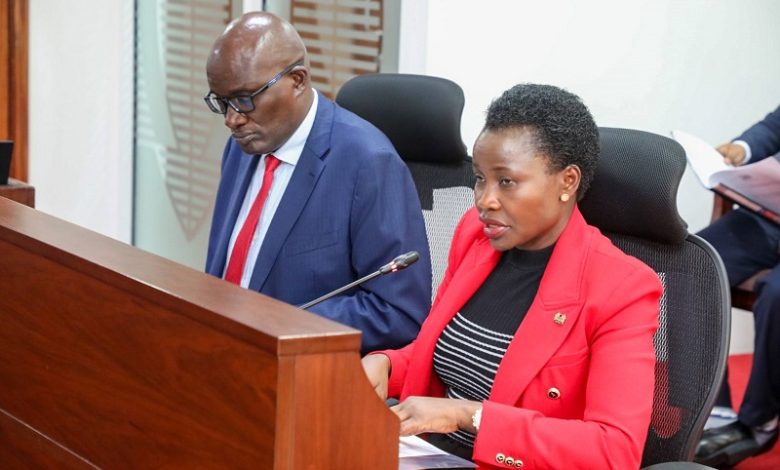
The ministry of Co-operatives and Micro, Small and Medium Enterprises (MSME) Development is facing a shortfall of Sh7.6 billion thus hindering the rolling out of the National Youth Opportunities Towards Advancement (NYOTA) programme.
MSME Development Principal Secretary Susan Mang’eni shocked a parliamentary when she cited the budget shortfall as the reason they have not disbursed Sh50,000 grants to 70 youths in every constituency as envisaged.
Mang’eni told the National Assembly Committee on Trade, Industry and Cooperatives, chaired by Ikolomani MP Bernard Shinali, that they only secured Sh1.2 billion for the ambitious programme, which is aimed at enabling the youth start or expand their businesses as part of empowerment.
Her remarks sparked sharp reactions from legislators, who questioned why the government had encouraged young people to apply for the programme without securing full funding.
“A lot of Kenyan youths applied for these funds and are now anxious. If you love our youth, could you publish the names of those who have been selected, so that they know whether to keep hoping?” posed Shinali.
Vice Chairperson Marianne Kitany (Aldai) also criticised the premature public mobilisation, saying it risks creating false hope among the youth.
According to the PS, the NYOTA project is a scaled-up version of the Kenya Youth Empowerment Programme (KYEOP), and targets over 100,000 youths with business ideas. Each successful applicant will receive Sh50,000, disbursed in two instalments of Sh25,000, along with Business Development Services (BDS) training and mentorship.
The programme focuses on youth aged 18 to 29, and up to 35 years for persons with disabilities, particularly those with secondary education or lower, including school dropouts.
“Our aim is to empower young people through financial support and skills development to enable them to start or sustain businesses,” said PS Mang’eni.
Priority will be given to those with secondary education or below, including school dropouts, to start or expand small businesses.
The committee members urged the ministry to prioritise transparency and timely communication to manage expectations as the funding process continues.
NYOTA was to be rolled out alongside the Kenya Jobs and Economic Transformation (KJET) Project, which were both tailored to support the youth get opportunities to innovate and participate gainfully in economic activities, including getting training at Technical and Vocational Education Training (TVET) institutions.
Under NYOTA, youths under the age of 29 or 35 for persons living with disabilities, including refugees at Kakuma and Dadaab camps, were also to get access to loans, or equity investments, depending on the nature of the business and its potential for growth.